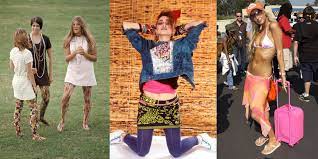
Eps 20: Worst Fashion trends In History
— History
The podcast discussed various fashion trends that have been widely regarded as the worst in history. It highlighted the absurdity and impracticality of hoop skirts from the 19th century, which were cumbersome and often dangerous. Platform shoes from the 1970s were another trend, notorious for causing falls and injuries. The podcast also criticized the over-the-top shoulder pads of the 1980s for their exaggerated look and lack of functionality. Low-rise jeans from the early 2000s were mentioned for being uncomfortable and unflattering for many body types. Finally, it touched on recent trends like extreme ripped jeans, which some view as impractical and overly distressed.
| Seed data: | Link 1 |
|---|---|
| Host image: | StyleGAN neural net |
| Content creation: | GPT-3.5, |
Host

Sonia Duncan
Podcast Content
The 1970s brought the polyester leisure suit into the fashion limelight. Made from synthetic fabric known for its lack of breathability, it quickly became associated with tacky style and disco dancing. Not far behind in poor fashion choices were shoulder pads of the 1980s. Inspired by a desire to present a strong, empowered profile, they often left wearers looking more like linebackers than business executives. The low-rise jeans of the early 2000s are another fashion faux pas worth noting. While they might have seemed trendy at the time, they were notorious for requiring frequent adjustment and exposing more than anyone wanted to see when the wearer bent over.
Further back in history, the 16th-century ruff is still remembered with bemusement. These stiff, lace collars were starched to stand out around the neck, often so wide and cumbersome that it was difficult for wearers to turn their heads. Although intended as a sign of wealth and sophistication, they were highly impractical and uncomfortable. In the Victorian era, crinolines—a type of structured, bell-shaped petticoat—caused numerous accidents. Women would struggle to fit through doorways and often found themselves entangled in carriage wheels or other objects.
Men didn't escape bad fashion trends either. The zoot suit of the 1940s, characterized by its overly large jacket and high-waisted, wide-legged pants, was more about making a statement than practicality. It wasted so much fabric that it was frowned upon during wartime rationing. Another regrettable trend from the Victorian age was the detachable collar, a stiff, standalone collar that men buttoned onto their shirts. These collars were infamously uncomfortable, causing many a red neck and even restricting blood flow.
The platform shoes craze of the 1970s and early 2000s had its fair share of ankle sprains and tumbles, demonstrating once again that height isn't always worth the risk. Finally, let's not forget the "Hammer pants" of the 1990s, popularized by the rapper MC Hammer. These voluminous, low-crotch pants might have been eye-catching, but they were almost universally unflattering. Each of these trends serves as a reminder that fashion, while often cyclical and creative, sometimes takes a turn for the worse, prioritizing appearance over comfort, practicality, or common sense.