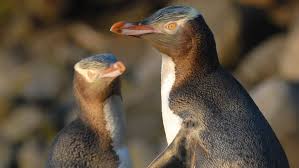
Eps 1: Why We Should At Least Try to Start a Breeding for Yellow Eyed Penguins
The podcast discusses the decline of Yellow Eyed Penguins due to various factors such as climate change, fishing activities, and habitat destruction. Breeding programs have been suggested as a way to help increase the population of these penguins. The hosts argue that while breeding programs may not be a perfect solution, they are worth trying in order to help save this endangered species.
| Seed data: | Link 1 |
|---|---|
| Host image: | StyleGAN neural net |
| Content creation: | GPT-3.5, |
Host

Dianne Douglas
Podcast Content
The iconic yellow-eyed penguin, also known as hoiho in Maori, is one of the rarest and most endangered penguin species in the world. With only an estimated 4,000 individuals left in the wild, urgent action is needed to save this unique and charming creature from the brink of extinction. One potential solution that has been proposed is to start a breeding program for yellow-eyed penguins in order to increase their numbers and ensure the survival of the species for future generations.
There are several compelling reasons why we should at least try to start a breeding program for yellow-eyed penguins. Firstly, the decline in the population of these penguins is largely due to human activities such as habitat destruction, pollution, and overfishing. By taking proactive steps to breed and protect these penguins in a controlled environment, we can help to mitigate the negative impacts of these threats and give the species a fighting chance at survival.
Secondly, breeding programs have been successful in saving other endangered species from extinction, such as the California condor and the black-footed ferret. By carefully managing the genetic diversity of the captive population and implementing strategies to prevent inbreeding, we can ensure the long-term viability of the yellow-eyed penguin population and increase their chances of thriving in the wild once they are reintroduced.
Moreover, breeding programs can also serve as a valuable educational tool to raise awareness about the importance of conservation and inspire future generations to take action to protect endangered species. By engaging the public in the process of breeding and caring for yellow-eyed penguins, we can foster a sense of connection and stewardship towards these remarkable birds and promote a culture of conservation that extends beyond the confines of the breeding program.
Of course, starting a breeding program for yellow-eyed penguins is not without its challenges and complexities. Captive breeding can be a costly and resource-intensive endeavor, requiring specialized facilities, dedicated staff, and ongoing research to ensure the health and welfare of the penguins. In addition, there are ethical considerations to take into account, such as the potential impacts of captivity on the behavior and well-being of the penguins, as well as the potential risks of introducing captive-bred individuals back into the wild.
Despite these challenges, the benefits of starting a breeding program for yellow-eyed penguins far outweigh the risks. By taking decisive action now, we can help to secure a future for this iconic species and prevent its disappearance from the world forever. It is our responsibility as stewards of the planet to do everything in our power to protect and preserve the diversity of life on Earth, and starting a breeding program for yellow-eyed penguins is an important step in the right direction. Let us not stand idly by and watch as these majestic birds slip away into oblivion. Instead, let us take action and work together to ensure that they have a fighting chance at survival. The time to act is now.