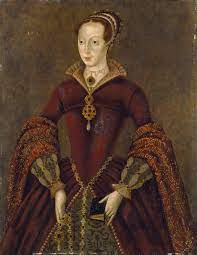
Eps 1: Who was Lady Jane Grey and why was she important?
Lady Jane Grey was a Protestant noblewoman who became queen of England for just nine days in 1553, after the death of King Edward VI. Her rise to power was due to her cousin, Edward VI, who bypassed his half-sisters, Mary and Elizabeth, in the line of succession because of their Catholic faith. Lady Jane was also well-educated and fluent in multiple languages, which made her an attractive figure to the Protestant establishment. Unfortunately, Lady Jane's reign was short-lived as Mary Tudor, who was a devout Catholic, rallied support and overthrew her. Lady Jane was imprisoned in the Tower of London, and although there were attempts to rescue her, they failed, and she was eventually executed for high treason at just 16 years old. Lady Jane's importance lies in her brief reign that highlighted the religious and political tensions of the time in England. She serves as a reminder of how dangerous it was to be on the losing side of the conflict and how easy it was to be used as a political pawn. Her legacy also continues in popular culture and literature, where she is often portrayed as a tragic hero who was caught up in larger political forces beyond her control.
| Seed data: | Link 1 |
|---|---|
| Host image: | StyleGAN neural net |
| Content creation: | GPT-3.5, |
Host

Levi Franklin
Podcast Content
Lady Jane Grey was declared queen by the Duke of Northumberland, who aimed to maintain Protestant control of the throne by bypassing the claims of Mary Tudor, the Catholic daughter of Henry VIII. However, Mary Tudor was able to rally support and ultimately claimed the throne, leading to Jane's execution at just 16 years old.
Despite her short reign, Lady Jane Grey is a significant figure in English history. She symbolizes the political and religious turmoil of the Tudor era and the struggle for power in the face of changing religious beliefs. Her tragic story has captured the imagination of generations and serves as a reminder of the fragility of power and the complexities of royal succession.
Lady Jane Grey's story also sheds light on the role of women in politics and society during the Renaissance period. Despite her youth, she was educated and well-spoken, demonstrating intelligence and determination that defied the traditional expectations of women in her time. Her legacy challenges stereotypes about women's roles in history and highlights the ways in which individuals have shaped the course of events through their actions and decisions.
In this podcast, we will explore the life and impact of Lady Jane Grey, examining her brief reign, the political intrigues that surrounded her, and the enduring legacy of her story. We will consider why she continues to fascinate historians and the public alike, and what her story can teach us about power, gender, and the complexities of royal politics. Join us as we delve into the life of Lady Jane Grey and uncover the significance of her place in English history.