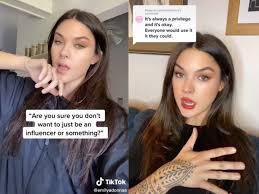
Eps 1: What is pretty privilege
"Pretty privilege" refers to the advantages that attractive people experience in society, such as receiving better treatment from others, greater opportunities, and more positive perceptions. This phenomenon can impact various aspects of life, including relationships, career success, and overall well-being. Studies have shown that those perceived as physically attractive tend to have an easier time navigating through life and achieving success compared to those who are not seen as conventionally attractive. However, it is important to recognize that beauty is subjective and that everyone deserves to be treated with respect and dignity regardless of their physical appearance.
| Seed data: | Link 1 |
|---|---|
| Host image: | StyleGAN neural net |
| Content creation: | GPT-3.5, |
Host

Sean Brown
Podcast Content
One of the most significant aspects of pretty privilege is its impact on career opportunities. Studies have consistently found that attractive individuals are more likely to be hired for jobs and receive promotions compared to their less attractive counterparts. This phenomenon, known as the "beauty bias," highlights the harsh reality that appearance can often be a determining factor in one's professional success. Employers may subconsciously equate physical attractiveness with competency and trustworthiness, leading them to favor attractive candidates over equally qualified but less attractive ones. This inherent bias can create a system where those who are deemed attractive have a significant advantage in climbing the corporate ladder, while others face barriers based on their appearance alone.
In addition to career opportunities, pretty privilege also plays a role in social interactions and relationships. Studies have shown that attractive individuals are more likely to be perceived as likeable, friendly, and approachable, leading to more social opportunities and better interpersonal relationships. This can manifest in various ways, from receiving special treatment at restaurants or stores to having more success on dating apps and in romantic relationships. While it may seem superficial, the impact of pretty privilege on social interactions and relationships is undeniable, with attractiveness often serving as a determining factor in how individuals are treated and perceived by others.
Moreover, pretty privilege extends beyond personal relationships and career opportunities to impact other areas of life, such as education and the criminal justice system. Research has shown that attractive students are often favored by teachers, receiving higher grades and more attention in the classroom compared to their less attractive peers. This preferential treatment can have long-lasting effects on a student's academic success and future opportunities, perpetuating the cycle of pretty privilege in educational settings.
Similarly, pretty privilege can also influence how individuals are treated within the criminal justice system. Studies have found that attractive individuals are more likely to receive lighter sentences and more lenient treatment from judges and juries compared to those who are perceived as less attractive. This bias can have serious consequences for those who do not conform to society's standards of beauty, highlighting the inherent unfairness and discrimination that pretty privilege perpetuates within the legal system.
In conclusion, pretty privilege is a complex and pervasive phenomenon that impacts various aspects of life, from career opportunities to social interactions and even the criminal justice system. While physical attractiveness can open doors and provide advantages in certain situations, it is important to recognize the inherent biases and discrimination that come with pretty privilege. By acknowledging and challenging these societal norms, we can work towards creating a more equitable and just society where individuals are judged based on their character and abilities rather than their appearance.