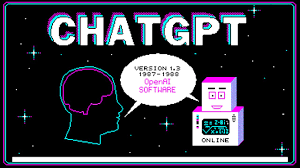
Eps 2: What If ChatGPT was invented in the 1980s
— Normal
The podcast explores the hypothetical scenario of ChatGPT being invented in the 1980s, emphasizing the technological and societal impacts. It talks about how the limited computational power and lack of advanced machine learning algorithms would have constrained its capabilities. The show speculates on the possible slower pace of AI development and integration into daily life, affecting industries, communication, and entertainment. The discussion also touches on how an early introduction of such a sophisticated AI might influence the evolution of personal computers, internet growth, and digital culture, resulting in a technology landscape drastically different from what we know today.
| Seed data: | Link 1 |
|---|---|
| Host image: | StyleGAN neural net |
| Content creation: | GPT-3.5, |
Host

Sophia Fletcher
Podcast Content
Corporations would have also benefited from such an innovation, replacing customer service operators and technical support with early versions of automated chat systems. This would pave the way for early forms of telecommuting, as employees could interact with intelligent systems to troubleshoot and manage data. Even video games, which were just gaining mainstream traction, could have integrated more advanced AI for interactive storytelling and immersive experiences.
Cultural impact can't be understated either. ChatGPT in the 1980s would have likely influenced music, with musicians using it to explore new lyrical themes or compositional structures. Writers and filmmakers could collaborate with AI to generate novel ideas or scripts, leading to a unique fusion of human ingenuity and machine learning that might inspire a new genre of creativity.
Of course, the technological hurdles would have been immense. The 1980s were hampered by limited processing power and memory. Implementing ChatGPT would have required breakthroughs in both hardware and software far beyond what was available at the time. It might have necessitated enormous, costly mainframes, making it accessible only to rich corporations and elite academic institutions.
Ethical and societal concerns would have popped up as well. Issues around job displacement could surface decades earlier, as fears of automation and AI replacing human workers become central themes in labor discussions. Privacy concerns would emerge as AI systems gather and process vast amounts of user data, although the lack of a widespread internet might mitigate some risks.
Ultimately, if ChatGPT had been invented in the 1980s, it would have been a catalyst for change across numerous sectors while simultaneously posing significant technological, ethical, and societal challenges that we might still be grappling with today. It’s fascinating to consider how such an advanced AI in a far less technologically mature era might shape the trajectory of digital evolution, blending the charm of the 1980s with the potential of future-forward artificial intelligence.