Eps 6: Wet dream
The podcast episode discusses wet dreams, which are also known as nocturnal emissions. It begins by explaining what wet dreams are and that they occur during sleep. The podcast then delves into the science behind wet dreams, explaining that they happen due to the buildup of semen in the testicles. The podcast also dispels myths and misconceptions around wet dreams, including the idea that they only happen to adolescent boys. It explains that wet dreams can occur in people of any gender or age and that they are a completely normal and natural bodily function. The episode concludes by discussing practical tips for dealing with wet dreams, such as wearing underwear that allows for air circulation and not feeling ashamed or embarrassed about their occurrence. Overall, the podcast seeks to destigmatize wet dreams and provide accurate information about them.
| Seed data: | Link 1 |
|---|---|
| Host image: | StyleGAN neural net |
| Content creation: | GPT-3.5, |
Host

Elaine Freeman
Podcast Content
Wet dream
Hello, and welcome to our podcast on wet dreams. I'm your host, and I'm here to demystify this natural but often misunderstood phenomenon. Whether you've had one, heard of one, or wondered about one, this podcast will help you understand what wet dreams are, why they happen, and what they mean.
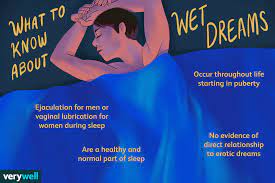
First, let's define what wet dreams are. Technically known as nocturnal emissions, wet dreams are spontaneous orgasms that occur during sleep, usually accompanied by ejaculation in males. Females can also experience wet dreams, though they may be less frequent or noticeable due to different anatomy and physiology. Wet dreams can happen at any age, but are more common during puberty and adolescence, when hormonal and sexual development is at its peak.
So, why do wet dreams happen? The short answer is that wet dreams are a natural way for the body to release sexual tension and excess fluids. The long answer is more complex, involving the interplay of hormones, brain activity, and dreaming. During sleep, the brain cycles through different stages, one of which is called REM (rapid eye movement) sleep. REM sleep is when most dreaming occurs, and when the body's sexual arousal mechanisms may be activated. This can include increased blood flow to the genital area, erection in males, and vaginal lubrication in females. If the sexual arousal reaches a peak intensity, it can trigger an orgasm and ejaculation, which may wake up the person or be experienced as part of a dream.
Now, let's address some common myths and misconceptions about wet dreams. One myth is that wet dreams are a sign of sexual deviance, perversion, or guilt. This is not true. Wet dreams are a natural and normal way for the body to release sexual tension, regardless of the content or context of the dreams. Even if the dreams involve taboo or forbidden fantasies, this does not mean that the person is abnormal or immoral. Dreams are not voluntary or fully controllable, and do not reflect conscious desires or intentions. Similarly, wet dreams are not a form of masturbation, as they occur involuntarily and spontaneously, without any physical manipulation or conscious awareness.
Another myth is that wet dreams can cause physical or mental harm, or lead to negative consequences. This is also not true. Wet dreams are harmless and healthy, and do not cause any physical or mental disorders. In fact, they can be beneficial for sexual health and well-being, by reducing stress, improving mood, and maintaining genital health. Wet dreams can also be a positive sign of sexual maturity and readiness, as they indicate that the body is functioning properly and responding to natural stimuli.
Yet another myth is that wet dreams are exclusive to males, or that all males have wet dreams. This is partly true, but partly false. While wet dreams are more common in males, due to the more visible and tangible ejaculatory response, females can also experience wet dreams, either through vaginal lubrication or clitoral arousal. However, females may not always recognize or admit to having wet dreams, due to societal taboos and lack of awareness or education.
So, what can you do if you have a wet dream, or if you want to prevent or treat them? The answer depends on your personal preferences and goals. Some people may enjoy having wet dreams, as a way to explore their sexuality, relieve stress, or enhance their pleasure. They may even encourage or induce wet dreams, through specific sexual or mental techniques, such as masturbation, erotic fantasies, or lucid dreaming. Other people may find wet dreams uncomfortable, messy, or embarrassing, and may prefer to avoid or limit them. They may try various methods to prevent or minimize wet dreams, such as reducing sexual stimuli, changing sleeping positions or clothing, or taking herbal supplements or medications. However, there is no guaranteed or universal solution, as wet dreams are a natural and unpredictable aspect of human sexuality.
In conclusion, wet dreams are a normal and healthy part of sexual development and expression. They are not a cause for shame or anxiety, but rather a source of curiosity and understanding. By learning more about wet dreams, we can appreciate the complexity and beauty of our bodies and brains, and respect the diversity and fluidity of our sexualities. Thank you for listening, and stay curious!