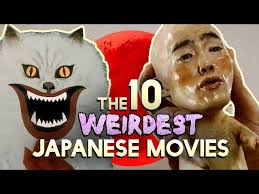
Eps 42: Weirdest Japanese movies in history
— Stuff
The podcast delves into some of the most bizarre and unconventional films in Japanese cinema. It highlights "Hausu" from 1977, known for its surreal horror-comedy blend and unusual visual effects. "Tetsuo: The Iron Man," a 1989 body horror film, is noted for its cyberpunk aesthetics and disturbing transformation sequences. Another mention is "Funeral Parade of Roses," a 1969 avant-garde film that explores themes of identity and sexuality through a non-linear narrative. "Survive Style 5+" is recognized for its eccentric plot intersections and quirky characters. The discussion also includes "The Machine Girl," which features outrageous gore and imaginative weaponry, and "Big Man Japan," a mockumentary about a giant superhero that satirizes the genre. These films are celebrated for their originality and pushing conventional boundaries in cinema.
| Seed data: | Link 1 |
|---|---|
| Host image: | StyleGAN neural net |
| Content creation: | GPT-3.5, |
Host

Perry Bowman
Podcast Content
"R100" offers a dive into the absurd with its story of a man who signs a contract with an S&M club, only to find his life invaded by dominatrixes who appear randomly, creating scenes as comical as they are unsettling. Similarly offbeat is "Funky Forest: The First Contact," a collection of unrelated yet intertwining stories featuring bizarre body transformations, incomprehensible dance routines, and alien encounters, delivering jarring visuals that leave a lasting impression.
In the anime realm, "Paprika" by Satoshi Kon masterfully blends reality and dreams in an exhilarating and sometimes disorienting narrative about technology's impact on consciousness.
Not to miss out on are the disturbing "Audition" with its illusion of a simple romance turning into a horrific nightmare later, and the unsettling "Tag" by Sion Sono, which takes audiences through a chaotic narrative involving massive decapitations, coming-of-age themes, and an ever-shifting storyline.
For those who prefer a dash of the philosophical with their weirdness, "Gozu," another Miike creation, includes yakuza gang members discovering an underworld filled with surreal, often grotesque, scenes and characters, exploring themes of identity and transformation.
Lastly, "The Happiness of the Katakuris" blends horror, musical, and comedy in a story about a family operating a guesthouse where all their guests mysteriously die, resulting in a completely unpredictable yet entertaining mixture of horror and humor. With such an array of terrifyingly creative films, Japanese cinema continues to be a realm where bizarre, unconventional storytelling thrives, pushing the envelope of what movies can be.