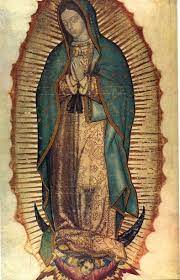
Eps 11: Virgin Mary (in Spanish Mexico)
In a 10-minute podcast titled "Virgin Mary (in Spanish Mexico)," the speaker discusses the significance of the Virgin Mary in Mexican culture. They describe how the Virgin Mary is highly revered and considered a symbol of strength, faith, and compassion in the predominantly Roman Catholic country. The speaker explains that Mexicans have a deep devotion to the Virgin Mary, with various religious festivals and processions dedicated to her throughout the year. These events often involve colorful parades, traditional music, and elaborate displays of statues and images of the Virgin Mary. The podcast highlights the story of the Virgin of Guadalupe, one of the most venerated forms of Mary in Mexico. According to legend, she appeared to a Native American man named Juan Diego in 1531, leaving her image imprinted on his cloak. This event is seen as a pivotal moment in Mexican history, as it helped to bridge the gap between Spanish conquerors and the indigenous population. The speaker emphasizes the role of the Virgin Mary as a mother figure in Mexican society. Many Mexicans turn to her for guidance, protection, and solace during difficult times. She is often believed to perform miracles and intercede with God on behalf of her followers. Overall, the podcast highlights the deep cultural and religious significance of the Virgin Mary in Mexico, showcasing how her revered status continues to shape Mexican spirituality and traditions.
| Seed data: | Link 1 |
|---|---|
| Host image: | StyleGAN neural net |
| Content creation: | GPT-3.5, |
Host

Lucas Porter
Podcast Content
The veneration of the Virgin Mary in Spanish Mexico holds a significant place in the country's cultural and religious landscape. With a rich history dating back to the Spanish conquest, the devotion to the Virgin Mary resonates deeply in the hearts of the Mexican people. This podcast will explore the origins, manifestation, and devotion surrounding the Virgin Mary in Spanish Mexico.
To understand the significance of the Virgin Mary in Spanish Mexico, we must first delve into the historical context. The Spanish conquistadors brought Catholicism to Mexico in the 16th century, along with their reverence for the Virgin Mary. This combining of Catholicism and ancient indigenous beliefs created a unique expression of faith. The Virgin Mary became a symbol that bridged the gap between the old and new world, offering spiritual comfort to the indigenous population amidst the turmoil of colonization.
One of the most famous and cherished manifestations of the Virgin Mary in Spanish Mexico is Our Lady of Guadalupe. According to legend, in December 1531, Juan Diego, an indigenous peasant, encountered the Virgin Mary on a hill near Mexico City. She instructed him to build a church in her honor. When Juan Diego relayed the message to the archbishop, he was met with skepticism. However, the Virgin Mary provided a miraculous sign by imprinting her image on Juan Diego's tilma, or cloak. This apparition and subsequent miracle solidified the belief in Our Lady of Guadalupe, making her the patroness of Mexico.
The devotion to Our Lady of Guadalupe became deeply embedded in Mexican society, surpassing mere religious expression. She symbolized the resilience and strength of the Mexican people in the face of adversity. Her image adorned churches, homes, and public spaces, serving as a unifying force for the nation. The Basilica of Our Lady of Guadalupe in Mexico City is one of the most visited pilgrimage sites in the world, attracting millions of believers each year.
However, Our Lady of Guadalupe is not the only manifestation of the Virgin Mary in Spanish Mexico. There are numerous regional and local variations that hold immense importance to the communities they represent. From Our Lady of Zapopan in Jalisco to Our Lady of San Juan de los Lagos in Guanajuato, each manifestation carries its own cultural significance and devout following. These regional manifestations serve as a reminder of the diverse and multifaceted nature of Mexican spirituality.
The devotion to the Virgin Mary in Spanish Mexico extends beyond religious rituals and traditions. It is intertwined with cultural celebrations and expressions of identity. The annual festivities surrounding the Virgin Mary, such as the posadas during Christmas and the Day of the Virgin of Guadalupe on December 12th, bring communities together in a display of faith and unity. These celebrations honor the Virgin Mary's role in Mexican history and highlight the enduring devotion that has been passed down through generations.
Throughout history, the Virgin Mary has represented compassion, strength, and hope, making her a figure of solace for many. In Spanish Mexico, her significance cannot be understated. The veneration of the Virgin Mary transcends religious boundaries, embodying the fusion of Spanish and indigenous cultures. She symbolizes the indomitable spirit of the Mexican people, while providing comfort and guidance in times of hardship.
In conclusion, the Virgin Mary holds a prominent place in the hearts and minds of the Mexican people. From the origins of devotion brought by the Spanish conquistadors to the various manifestations that grace the country, her presence is deeply ingrained in the cultural fabric of Mexican society. Whether it is through the iconic Our Lady of Guadalupe or regional variations, the veneration of the Virgin Mary reflects the resilience and faith of the Mexican people. It serves as a reminder of the profound impact religion and spirituality can have on shaping and uniting a nation.