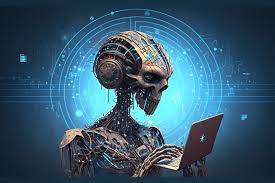
Eps 24: Unveiling the Boundaries: What Is Not Artificial Intelligence?
In this 10-minute podcast titled "Unveiling the Boundaries: What Is Not Artificial Intelligence?", the speaker addresses the misconceptions and misunderstandings surrounding artificial intelligence (AI). The speaker starts by clarifying that AI is often used as an umbrella term for various technologies, including machine learning (ML) and deep learning (DL). However, not all ML or DL technologies can be categorized as AI. They explain that AI involves developing systems that can perform tasks typically requiring human intelligence, such as problem-solving or decision-making. The speaker distinguishes between narrow or weak AI and general or strong AI. Narrow AI refers to systems designed for specific tasks, while general AI implies systems with the ability to perform any intellectual task that a human being can do. Next, they discuss the limitations of AI, dispelling the misconception that AI can fully replicate human capabilities. They highlight that AI lacks common sense, intuition, and emotions, which are crucial aspects of human intelligence. While AI can excel in specific tasks like image recognition or language processing, it cannot fully comprehend context or engage in creative thinking. The podcast also mentions the importance of human intervention in AI systems. Despite advancements in AI, humans are the ones responsible for designing, training, and validating AI models. Human biases and errors can be unintentionally embedded in AI systems, making it crucial to ensure ethical and responsible development. Furthermore, the speaker emphasizes the role of data in AI and its limitations. AI algorithms require large amounts of data to train effectively, and the quality and representativeness of the data directly impact AI performance. The speaker emphasizes the need for diverse, unbiased, and reliable data to avoid reinforcing existing biases or generating inaccurate results. In conclusion, this podcast aims to clarify the boundaries of AI and what it is not. While AI encompasses ML and DL technologies, not all of them can be classified as AI. AI lacks human-like qualities such as common sense and emotions, and human intervention remains vital in developing and monitoring AI systems. The limitations and considerations surrounding data quality and biases are also highlighted.
| Seed data: | Link 1 |
|---|---|
| Host image: | StyleGAN neural net |
| Content creation: | GPT-3.5, |
Host

Crystal Barnes
Podcast Content
Artificial Intelligence (AI) has emerged as a buzzing topic in recent years, captivating the imagination of individuals from various walks of life. From futuristic movies to cutting-edge technological advancements, AI has generated immense interest and speculation. However, amidst all the hype and excitement surrounding AI, it is crucial to understand what AI is not. The purpose of this podcast is to delve into the boundaries of AI, exploring the limits of what it can and cannot accomplish.
To begin, it is essential to clarify that AI is not synonymous with human intelligence. Contrary to popular belief, AI does not possess emotions, consciousness, or self-awareness. Despite advancements in machine learning algorithms, AI lacks the ability to truly comprehend and understand the world in the way humans do. While it can replicate human-like behavior and make decisions based on vast amounts of data, AI remains a tool created by humans, limited by the predetermined capabilities programmed into it.
Moreover, AI is not a substitute for human creativity and innovation. While AI algorithms can generate impressive outcomes, such as composing music or creating unique art pieces, it is imperative to acknowledge that AI lacks the innate ability to think outside the box and produce truly groundbreaking ideas. Creativity requires a level of intuition, emotion, and contextual understanding that AI simply does not possess. It is the human mind that brings originality and inventiveness to the forefront, pushing the boundaries of what is possible.
Additionally, AI is not without ethical concerns. The reliance on AI technology raises questions of privacy, bias, and accountability. AI systems can often perpetuate the biases embedded in the data they are trained on, leading to discriminatory outcomes. It is vital to recognize that AI remains a tool created and operated by humans, necessitating clear guidelines and regulations to ensure its ethical and responsible use. Failure to address these ethical matters could exacerbate social inequalities and undermine the potential benefits of AI.
Another misconception surrounding AI is that it is a miraculous cure-all solution. While AI has the ability to automate certain tasks, streamline processes, and improve efficiency, it cannot solve all the world's problems. AI excels at performing repetitive and data-driven tasks but falls short when it comes to complex decision-making and the subtleties of human interaction. For instance, AI might be proficient at diagnosing medical conditions based on patterns, but it lacks the empathetic and intuitive nature required in patient-doctor interactions.
Furthermore, it is crucial to highlight that AI is not immune to limitations. While AI algorithms can process immense amounts of data at incredible speeds, they are not infallible. Algorithms are built upon limited domain-specific knowledge and can falter when faced with novel and unexpected situations. AI systems remain prone to errors and can be exploited by malicious individuals if not carefully monitored and maintained. It is necessary to temper our expectations and understand that AI, like any technology, has its boundaries.
In conclusion, the fascination surrounding AI is justified, given its potential to revolutionize various industries and reshape the world as we know it. However, it is essential to unveil the boundaries of AI and understand what it is not. AI is not a replication of human intelligence, nor is it a substitute for human creativity. It raises ethical concerns and does not possess the universal problem-solving capabilities often attributed to it. Recognizing these boundaries is crucial to foster responsible and mindful integration of AI technology into our lives. Let us embrace the power of AI while acknowledging its limitations, striving to harness its potential for the greater good.