Eps 2393: Understanding and Accepting Procrastination
— The too lazy to register an account podcast
The podcast discusses how procrastination is often seen as a negative behavior, but it can also be a coping mechanism for anxiety or fear of failure. Understanding the root causes of procrastination and working on developing self-compassion can help individuals accept and manage this behavior in a healthier way. By reframing procrastination as a symptom of deeper issues, people can approach it with empathy and work towards addressing the underlying issues that lead to procrastination.
| Seed data: | Link 1 |
|---|---|
| Host image: | StyleGAN neural net |
| Content creation: | GPT-3.5, |
Host

Allan Gregory
Podcast Content
Procrastination is something that many of us struggle with at some point in our lives. Whether it's putting off a project at work, delaying studying for an exam, or avoiding difficult conversations, procrastination can manifest in many different ways. But what exactly causes us to procrastinate?
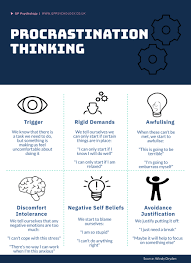
One common reason for procrastination is fear – fear of failure, fear of success, or fear of the unknown. When we procrastinate, we are essentially avoiding these uncomfortable feelings and choosing to delay the inevitable. We may also procrastinate because the task at hand seems overwhelming or too challenging, leading us to put it off until the last minute.
Another reason for procrastination is perfectionism. We may have high standards for ourselves and fear that we will not be able to meet those standards, so we delay starting the task in order to avoid the possibility of failure. This can create a vicious cycle of procrastination and self-doubt, preventing us from reaching our full potential.
Procrastination can have a profound impact on our lives. It can lead to increased stress and anxiety, decreased productivity, and strained relationships with others. When we constantly put off important tasks, we may find ourselves scrambling to meet deadlines, feeling overwhelmed by the sheer amount of work we have to do, and experiencing a sense of guilt or shame for not being more proactive.
So how can we develop a healthier relationship with procrastination? One key step is to practice self-compassion. Instead of beating ourselves up for procrastinating, we can learn to forgive ourselves and move forward with a renewed sense of purpose. By acknowledging that procrastination is a natural human tendency, we can take steps to address the root causes of our avoidance behavior and develop more effective coping strategies.
Another strategy is to break tasks down into smaller, more manageable steps. By setting realistic goals and creating a clear action plan, we can make progress towards our goals without feeling overwhelmed by the sheer magnitude of the task. This can help to build momentum and motivation, making it easier to stay on track and avoid the temptation to procrastinate.
It's also important to recognize when procrastination is serving a purpose. Sometimes, taking a break or giving ourselves permission to rest can actually be beneficial for our mental health and well-being. By listening to our bodies and emotions, we can better understand when we need to pause and recharge, rather than pushing ourselves to the point of burnout.
In conclusion, understanding and accepting procrastination is an important step towards developing a healthier relationship with this common behavior. By addressing the root causes of procrastination, practicing self-compassion, and breaking tasks down into manageable steps, we can learn to navigate our procrastination tendencies with greater ease and grace. Remember, procrastination is not a character flaw – it's a natural human tendency that we can learn to work with, rather than against. Thank you for listening to our podcast on "Understanding and Accepting Procrastination".