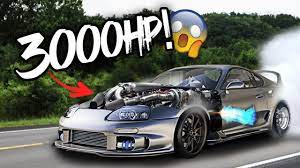
Eps 1: turbo cars
— civic
In a 10-minute podcast titled "Turbo Cars," the speaker discusses the basics of turbocharging in automobiles. Turbocharging is a method of enhancing engine performance by forcing more air into the combustion chambers, resulting in increased power output. The host explains how a turbocharger works, using a turbine connected to the exhaust system to spin the compressor, which then forces more air into the engine. The podcast further explores the advantages of turbocharging, such as improved fuel efficiency and increased power without the need for a larger engine. The host also touches upon the drawbacks of turbocharging, such as turbo lag and potential heat buildup, which must be addressed for optimal performance. Moreover, the speaker highlights the widespread usage of turbochargers in modern vehicles, both in gasoline and diesel engines. They explain how advances in technology have made turbocharging more efficient and reliable over the years. The podcast concludes by emphasizing the significance of turbocharging in meeting environmental regulations and supporting the trend towards smaller, more efficient engines without compromising on power.
| Seed data: | Link 1 |
|---|---|
| Host image: | StyleGAN neural net |
| Content creation: | GPT-3.5, |
Host

Kathy Mitchelle
Podcast Content
Introduction:
Welcome to today's podcast episode on "Turbo Cars" where we will explore the fascinating world of high-performance automobiles equipped with turbochargers. In this episode, we will discuss the history of turbocharging, how it works, its advantages and disadvantages, as well as some of the most iconic turbo cars of all time. So, fasten your seatbelts and get ready to dive into the world of turbocharged engines!
History of Turbocharging:
The concept of turbocharging dates back to the early 20th century, but it gained significant attention during World War II when aircraft engines utilized turbochargers for increased power and high-altitude performance. In the automotive industry, turbocharging made its debut in the 1960s with the efforts of manufacturers like General Motors and Porsche. Since then, turbocharging has evolved to become a common feature in many modern cars, including both sports cars and everyday vehicles.
How Does Turbocharging Work?
Turbocharging works by utilizing the energy from the engine's exhaust gases to spin a turbine, which drives a compressor. This compressor increases the amount of air flowing into the engine, resulting in a higher air-to-fuel ratio. With more air available for combustion, the engine can produce additional power and torque. The increased efficiency offered by turbochargers allows smaller engines to match or surpass the performance of larger, naturally aspirated engines, while maintaining better fuel economy.
Advantages of Turbocharged Engines:
One of the primary advantages of turbocharged engines is their ability to produce higher power outputs from smaller displacement engines. This not only enhances acceleration and top speed but also contributes to improved fuel efficiency. Turbocharging enables car manufacturers to downsize engines without sacrificing performance. Additionally, turbochargers help to reduce harmful emissions, as the increased air/fuel mixture is burned more efficiently.
Disadvantages of Turbocharged Engines:
Although turbocharging offers numerous benefits, there are a few disadvantages that need to be considered. One common issue is turbo lag, which refers to the delay in power delivery when the throttle is initially opened. This lag is caused by the time it takes for the turbocharger to spool up and reach optimal operating speed. Furthermore, turbocharged engines often require more frequent maintenance due to higher operating temperatures and increased stress on internal components.
Iconic Turbo Cars:
Over the years, several turbocharged cars have gained legendary status in the automotive world. One such example is the Porsche 911 Turbo, which first introduced turbocharging to the masses in the 1970s. Its distinctive rear-wing, powerful engine, and exceptional performance made it an icon. Another notable mention is the Mitsubishi Lancer Evolution, renowned for its rally heritage and turbocharged dominance. Other noteworthy turbo cars include the Nissan GT-R, Subaru Impreza WRX STI, and the Ford Mustang EcoBoost.
Conclusion:
Turbocharging has revolutionized the automotive industry, offering a perfect balance between power, efficiency, and reduced emissions. From its early usage in aircraft engines to becoming a staple feature in modern cars, turbocharging has come a long way. With the continuous advancements in technology and engineering, we can expect to see even more impressive turbocharged vehicles in the future. We hope you enjoyed this episode on "Turbo Cars" and gained insights into the exciting world of high-performance turbocharged engines. Stay tuned for more fascinating episodes on different aspects of automobiles. Drive safely!