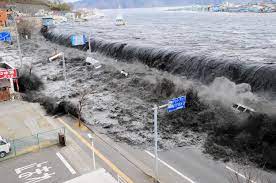
Eps 1: Tsunamis
In the 10-minute podcast titled "Tsunamis," the speaker discusses the causes and impacts of tsunamis. Tsunamis are enormous ocean waves triggered by underwater earthquakes, volcanic eruptions, or landslides. The speaker mentions the devastating 2004 Indian Ocean tsunami that impacted several countries and resulted in the loss of thousands of lives. The podcast highlights how tsunamis can travel at high speeds in the open ocean, making them difficult to detect and predict accurately. However, warning systems have been developed to mitigate the impact by providing timely alerts to vulnerable communities. These systems rely on seismographs, buoys, and deep-sea sensors to gather information about earthquake activity and rapidly assess the potential for a tsunami. Furthermore, the speaker emphasizes the importance of education and awareness in ensuring people are prepared for tsunamis. It is crucial to understand the signs of tsunamis, such as rapidly receding water from the shore, and evacuate to designated safe areas as quickly as possible. Overall, the podcast sheds light on the destructive nature of tsunamis, the advancements in warning systems, and the significance of educating communities to minimize the loss of life and property caused by these powerful natural phenomena.
| Seed data: | Link 1 |
|---|---|
| Host image: | StyleGAN neural net |
| Content creation: | GPT-3.5, |
Host

Vickie Pearson
Podcast Content
Tsunamis are triggered by a significant displacement of water. When an undersea earthquake occurs, the seabed moves, causing the massive volumes of water above it to be displaced. This displacement results in the creation of a series of powerful waves. Initially, these waves may be small and barely noticeable, but as they move towards shallow waters, they grow exponentially in height and energy. When the waves reach the coastline, they can crash onto the land with an unimaginable force, sweeping away anything in their path and causing widespread destruction.
The Indian Ocean tsunami of 2004 remains one of the deadliest and most destructive tsunamis in recent history. Triggered by a magnitude 9.1 undersea megathrust earthquake off the coast of Sumatra, Indonesia, it ravaged coastal areas in 14 countries across Asia and Africa. The devastation caused by the tsunami was truly heart-wrenching, with an estimated 230,000 lives lost and countless others displaced or rendered homeless. The impact was felt far beyond the immediate affected regions, as the disaster highlighted the need for improved early warning systems and disaster preparedness worldwide.
One of the most significant challenges in predicting tsunamis lies in the limited time available for warning and evacuation. Unlike hurricanes or tornadoes, which can be tracked and forecasted days in advance, a tsunami can strike within minutes or hours after a triggering event occurs. This time constraint leaves little room for error and necessitates a swift, coordinated response from authorities and residents alike. Modern technology has undoubtedly improved our ability to detect and monitor potential tsunamis, but the speed at which they propagate remains a challenge.
In recent years, advancements in seismic monitoring systems, satellite technology, and ocean-bottom pressure sensors have allowed scientists to gain a better understanding of the complex processes that occur during a tsunami. These real-time data collection methods provide valuable information in determining the magnitude and potential impact of an impending tsunami. Additionally, computer models and simulations help scientists analyze different scenarios and predict the behavior of tsunamis under various conditions.
Public awareness and education play a crucial role in mitigating the effects of a tsunami. In tsunami-prone regions, it is essential that residents are aware of the signs indicating an impending tsunami. These signs include strong ground shaking, a rapid receding of the sea, or the sound of an approaching train-like roar. Understanding these warning signs and knowing how to respond can save countless lives. Early warning systems, such as sirens, mobile alerts, and radio broadcasts, are vital tools in providing timely information to coastal communities and facilitating swift evacuations.
In conclusion, tsunamis are a natural disaster that continues to captivate our attention due to their immense power and destructive capabilities. As our understanding of tsunamis grows, so does our ability to predict and potentially save lives. However, the unpredictability and speed of these events highlight the importance of improved early warning systems, education, and preparedness. While we cannot prevent tsunamis from occurring, our collective efforts can make a difference in minimizing their impact and helping affected communities rebuild in the aftermath.