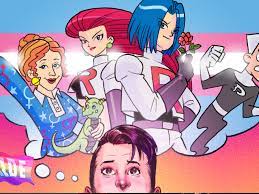
Eps 35: Transgender characters in cartoons
— Stuff
The podcast discusses how transgender characters in cartoons provide important representation and visibility for the transgender community. It explores the significance of authentic and respectful portrayals in media, emphasizing how such characters can educate audiences, foster understanding, and reduce stigma. Examples of successful transgender characters in popular cartoons are highlighted, showing how thoughtful storytelling can reflect the diverse experiences of transgender individuals. The podcast also touches on the challenges and responsibilities of creators in sensitively and accurately depicting transgender identities.
| Seed data: | Link 1 |
|---|---|
| Host image: | StyleGAN neural net |
| Content creation: | GPT-3.5, |
Host

Arthur Taylor
Podcast Content
For example, in "Steven Universe," the character Stevonnie, who is a fusion of Steven and Connie, is portrayed in a way that transcends traditional gender binaries, inspiring conversations around non-binary and gender-fluid identities. Similarly, "She-Ra and the Princesses of Power" introduces Double Trouble, a non-binary character who challenges stereotypes and provides viewers with a character that exists beyond the traditional male-female dichotomy. The presence of these characters can have a profound impact on audiences, not only validating the experiences of transgender and non-binary youth but also educating cisgender viewers on the diversity of human experience.
Moreover, these representations are increasing in both quantity and quality, spotlighting multidimensional characters who contribute to the storyline in meaningful ways rather than serving as mere tokens of diversity. This trend is important as it fosters empathy and understanding among viewers and normalizes the presence of transgender individuals in society. Animation has the unique ability to bridge gaps in understanding by presenting complex and sensitive issues in a more digestible format. By modeling acceptance and inclusion, these shows encourage a more empathetic and open-minded generation.
It’s also worth noting the role of creators and writers who themselves identify as transgender or non-binary. Their authentic voices are crucial in ensuring accurate and respectful portrayals. Rebecca Sugar, the non-binary creator of "Steven Universe," has openly discussed using her work to promote LGBTQ+ representation. This authenticity resonates with audiences and provides a sense of belonging and affirmation that scripted authenticity simply cannot achieve.
The inclusion of transgender characters also intersects significantly with broader social movements and discussions around gender and identity. As society slowly progresses towards greater acceptance and inclusivity, media, including cartoons, plays a pivotal role in reflecting and propelling that change. The visibility of transgender characters helps dismantle prejudice and fosters a climate of acceptance and understanding.
However, this journey is just beginning. There is a need for more varied and nuanced transgender characters that go beyond stereotypical representations. It is imperative that these characters are given the same depth and development as their cisgender counterparts, allowing their stories to reflect the diversity of the transgender experience. Cartoons, with their vast reach and appeal, have the potential to be powerful tools in changing perceptions and promoting a more inclusive society.
In conclusion, transgender characters in cartoons are not just a fleeting trend but a vital expansion of the narrative landscape. They represent a move towards greater inclusivity and understanding, providing much-needed visibility and validation for transgender individuals. As these characters continue to emerge and evolve, they pave the way for a richer, more diverse portrayal of human experience. This shift is not only beneficial but necessary, contributing to a culture of empathy, acceptance, and love for all, regardless of gender identity.