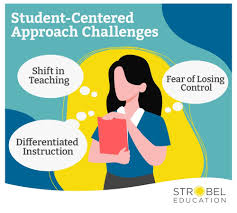
Eps 63: Transforming Classrooms: Active Learning and Student-Centered Strategies
The podcast discusses the shift from traditional teacher-centered instruction to active learning and student-centered strategies in classrooms. It emphasizes the importance of engaging students through interactive activities, fostering critical thinking, and encouraging collaboration. Examples of effective methods include project-based learning, group discussions, and real-world problem-solving. Teachers are encouraged to facilitate rather than dictate, creating environments where students take responsibility for their learning. The podcast highlights positive outcomes such as improved student motivation, better retention of information, and the development of essential life skills like communication and teamwork.
| Seed data: | Link 1 |
|---|---|
| Host image: | StyleGAN neural net |
| Content creation: | GPT-3.5, |
Host

Soham Castillo
Podcast Content
Student-centered strategies go beyond mere participation; they emphasize the importance of personalized learning experiences. Teachers act as facilitators, guiding students to take charge of their education, set their own goals, and explore subjects in ways that resonate with their interests and learning styles. These strategies foster critical thinking, creativity, and a deeper understanding of the material. For instance, project-based learning allows students to work on real-world problems, developing both their knowledge and practical skills.
Moreover, incorporating technology in the classroom can enhance these methods, offering a plethora of resources and platforms for interactive learning. Tools like educational apps, virtual reality, and online discussion boards can make learning more accessible and engaging. By creating an environment where students feel valued and empowered, educators can nurture a love for learning that extends beyond the classroom. This shift towards active and student-centered learning not only improves academic outcomes but also prepares students for the complexities of the modern world, cultivating lifelong learners who are adaptable, resilient, and capable of thinking independently.