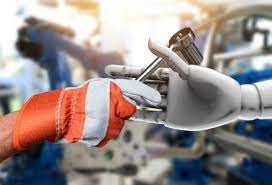
Eps 1820: The use of Artificial Intelligence in the workplace
— The too lazy to register an account podcast
In this podcast, it is explained that Artificial Intelligence (AI) is already being used in the workplace through various tools such as chatbots, virtual assistants and data analysis. This technology is being implemented to automate repetitive and mundane tasks, as well as to improve decision making and enhance efficiency. However, with the increasing use of AI, there are concerns about job displacement and the need for human skills such as emotional intelligence and creativity. It is suggested that companies should embrace AI while also investing in employee retraining and development to stay relevant in the changing job market.
| Seed data: | Link 1 |
|---|---|
| Host image: | StyleGAN neural net |
| Content creation: | GPT-3.5, |
Host

Jordan Morrison
Podcast Content
One way that AI is being used in the workplace is through chatbots. Chatbots are programs that use natural language processing to interact with customers or employees, providing information and answering questions. This can save time and resources, as chatbots can quickly identify and address common issues without the need for human intervention.
Another area where AI is making an impact is in recruitment. Many companies are using AI to analyze resumes and identify potential candidates based on specific criteria. This allows for a more efficient hiring process and helps to eliminate bias.
In addition to recruitment, AI is also being used for employee training and development. By using machine learning algorithms, companies can track employee progress and personalize training programs based on individual needs. This can lead to a more engaged and skilled workforce, as employees can learn at their own pace and receive targeted feedback.
On the other hand, some are concerned about the potential negative effects of AI in the workplace. One major concern is job loss. As AI takes over more tasks, there is a risk that some jobs will become obsolete. This could lead to unemployment and economic instability.
Another concern is the issue of bias. AI algorithms are only as good as the data they are fed, and if that data contains biases, the AI will also be biased. This could lead to discriminatory practices in areas such as recruitment or performance evaluation.
Despite these concerns, the use of AI in the workplace is likely to continue to grow. As with any new technology, it is important for companies to consider the potential benefits and risks and to implement AI in a responsible and ethical manner. With the right approach, AI has the potential to revolutionize the way we work and lead to a more productive and innovative future.