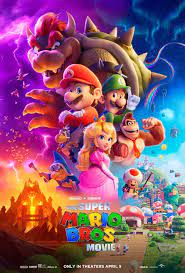
Eps 4: The Super Mario Bros. Movie
In the podcast titled "The Super Mario Bros. Movie," the hosts discuss the history and impact of the infamous Super Mario Bros. film released in 1993. They start by explaining the popularity of the Super Mario Bros. video game franchise and how it became a cultural phenomenon. The hosts then delve into the creation of the movie, highlighting the initial excitement among fans but also the skepticism surrounding a video game adaptation. They explain how multiple drafts of the screenplay were developed, with different visions and tones that varied from the lighthearted nature of the games. The hosts mention the casting choices, such as Bob Hoskins as Mario and John Leguizamo as Luigi, and provide insights into the production process. They discuss the film's troubled production, mentioning various issues including creative differences, budget constraints, and clashes between the directors and the studio. The hosts acknowledge that the final product deviated significantly from the beloved video game, with an overly gritty and dark interpretation. They explain that the filmmakers aimed to create a dystopian world merging the Mushroom Kingdom with a post-apocalyptic setting, which ultimately disconnected audiences from the source material. The podcast also addresses the negative critical reception and box office failure of the Super Mario Bros. movie, despite some positive aspects like the special effects and set design. They emphasize how the film failed to capture the essence of the game's charm and joyful atmosphere, ultimately alienating both fans and general audiences. In conclusion, the podcast highlights the Super Mario Bros. movie as a prime example of a failed video game adaptation due to the filmmakers' misguided approach. They provide a critical analysis of the film's faults, highlighting the importance of staying true to the source material and understanding the core appeal of the original game when creating adaptations.
| Seed data: | Link 1 |
|---|---|
| Host image: | StyleGAN neural net |
| Content creation: | GPT-3.5, |
Host

Justin Horton
Podcast Content
Welcome back to another episode of "Film Talk," where we discuss all things cinema. In today's episode, we are diving into the world of video game adaptations, focusing specifically on the iconic Super Mario Bros. franchise, and its foray into the realm of feature films. In 1993, a live-action adaptation titled "The Super Mario Bros. Movie" was released, directed by Rocky Morton and Annabel Jankel. Despite having a massive fan base and immense cultural value, the film was met with mixed reviews and failed to capture the essence of the beloved video game series. Join us as we explore the various reasons for this film's shortcomings and why it remains a notable example of missed potential in the realm of video game adaptations.
First and foremost, one of the primary issues with "The Super Mario Bros. Movie" was its deviation from the source material. The original video game series follows the adventures of two Italian plumbers named Mario and Luigi as they navigate through the Mushroom Kingdom to rescue Princess Peach from the nefarious Bowser. However, the film took a noticeably different approach, transporting the Mario Bros. to a dystopian version of New York City known as Dinohattan. This drastic departure from the game's whimsical and fantastical setting alienated fans and left them longing for a more faithful adaptation.
Additionally, the film's script also failed to capture the heart and humor that made the video game series so beloved. Super Mario Bros. games are known for their endearing characters and quirky comedic moments, yet the movie struggled to replicate this charm. The dialogue felt forced and lacked the witty banter that fans had come to expect from the iconic characters. Moreover, the plot was convoluted, introducing unnecessary elements that only served to confuse the audience further. Instead of focusing on the simple yet effective story of saving the princess, the film became mired in a convoluted web of conspiracy involving parallel dimensions and dinosaur-human hybrids.
Another notable issue with "The Super Mario Bros. Movie" was the visual design. The original video game series is renowned for its vibrant and imaginative world, filled with colorful landscapes and unforgettable characters. However, the film opted for a gritty and dark aesthetic, completely abandoning the whimsical charm of the games. This stylistic choice further disconnected the audience from the source material, leaving them longing for the vibrant and lively Mushroom Kingdom portrayed in the games.
Furthermore, the performances in the film were underwhelming. While Bob Hoskins and John Leguizamo brought their talents to the roles of Mario and Luigi, respectively, their performances were hindered by a weak script, lackluster chemistry, and questionable character direction. This made it difficult for the audience to connect with the protagonists, a vital aspect crucial for any successful film adaptation.
Despite these shortcomings, it is worth acknowledging that "The Super Mario Bros. Movie" did attempt to introduce innovative ideas and concepts. It showcased an early attempt to adapt a video game into a live-action feature, paving the way for future endeavors within the genre. Additionally, the film's commercial failure served as a cautionary tale, leading to more thoughtful approaches with subsequent video game adaptations.
In conclusion, "The Super Mario Bros. Movie" is a prime example of how a beloved video game franchise can fall short when translated into a feature film. The deviations from the source material, lack of humor, confusing plot, visual design choices, and underwhelming performances all contributed to its downfall. However, it did mark a significant milestone in the realm of video game adaptations, leading to more thoughtful and faithful adaptations in the years that followed. Join us next time on "Film Talk" as we explore other notable video game adaptations and their impact on the world of cinema. Thanks for listening!