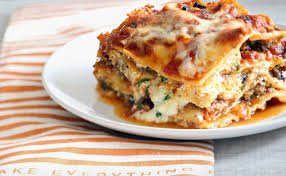
Eps 1: The Science of Lasagna
— Building Better Rollercoasters with Machine Learning
| Host image: | StyleGAN neural net |
|---|---|
| Content creation: | GPT-3.5, |
Host

Lee Franklin
Podcast Content
Lasagna is a dish that is comprised of layers of pasta, sauce, cheese, and meat or vegetables. The origins of lasagna can be traced back to ancient Greece, where a recipe for a similar dish called "laganon" was first recorded. The dish evolved over time and eventually made its way to Italy, where it became known as lasagna.
One of the key elements of a good lasagna is the pasta. Traditional lasagna is made with wide, flat sheets of pasta that are boiled before being layered with the other ingredients. However, in recent years, there has been a trend towards using no-boil noodles, which can save time and simplify the cooking process.
The sauce is another crucial component of lasagna. A classic lasagna sauce is typically a combination of tomatoes, garlic, onions, and herbs like basil and oregano. Some recipes call for a meat sauce, while others opt for a vegetarian version. Whichever you prefer, the key is to simmer the sauce for a long time to allow the flavors to meld together.
Of course, no lasagna would be complete without cheese. Most lasagna recipes call for a combination of mozzarella, ricotta, and parmesan cheeses. The mozzarella adds a gooey, stringy texture, while the ricotta provides a creamy, rich flavor. The parmesan cheese adds a salty, sharp kick that elevates the dish to a whole new level.
When it comes to assembling the lasagna, there are a few key tips to keep in mind. First, make sure to layer the ingredients evenly, spreading the sauce, cheese, and meat or vegetables in a uniform layer. This will ensure that each bite has a perfect balance of flavors. Also, be sure to cover the lasagna with aluminum foil while baking to prevent the top layer of cheese from burning.
In terms of the science behind lasagna, there are a few key principles at play. The starch in the pasta absorbs moisture from the sauce as it bakes, creating a tender, toothsome texture. The proteins in the cheese coagulate and melt, creating a creamy, melty layer that binds the ingredients together. And the sauce, with its mix of acidity and sweetness, balances out the richness of the cheese and meat.
So, whether you're a lasagna aficionado or a newbie to the dish, we hope you've enjoyed our exploration of "The Science of Lasagna". Remember, the next time you're in the kitchen whipping up a batch of this delicious dish, think about the careful balance of ingredients and techniques that come together to create a lasagna that's truly magical.