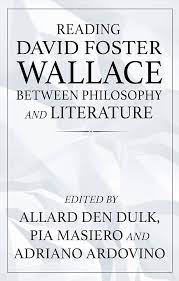
Eps 2216: The philosophy of David Foster Wallace.
— The too lazy to register an account podcast
"The philosophy of David Foster Wallace" is a 10-minute podcast that explores the philosophical ideas and concepts present in the works of acclaimed American author, David Foster Wallace. The podcast highlights how Wallace's unique approach to literature aligned with his philosophical beliefs and his desire to make readers conscious of their own thinking and engagement with the world. It discusses Wallace's fascination with the nature of reality, particularly the human tendency to construct our own versions of truth and the importance of remaining aware of this construct. The podcast explains how Wallace used his writing to challenge traditional narratives and explore the complexities and contradictions of modern life. The podcast also delves into Wallace's examination of the human condition and the concept of self. It explores how his works showcased the struggles of individuals navigating a postmodern world characterized by mass media, consumerism, and mental isolation. Wallace aimed to shed light on the inherent loneliness and anxiety that can arise in society and encouraged readers to confront these emotional aspects of the human experience. Furthermore, the podcast emphasizes Wallace's philosophy of empathy and his belief in the power of literature to foster connection and understanding. Through his works, he aimed to break down barriers between people and create a sense of shared humanity. Overall, the podcast highlights the profound impact of David Foster Wallace's philosophical ideas on his writing and the significance of his work in challenging conventional thinking and exploring the complexities of the modern world.
| Seed data: | Link 1 |
|---|---|
| Host image: | StyleGAN neural net |
| Content creation: | GPT-3.5, |
Host

Roy Vasquez
Podcast Content
One of the most influential and revered writers of our time, David Foster Wallace, left a remarkable legacy through his thought-provoking essays, novels, and speeches. However, his impact extends far beyond the realm of literature, as his work delves into the core of human existence, challenging conventional wisdom and exploring the complexities of modern society. In this podcast, we will delve into the philosophy of David Foster Wallace, highlighting his unique insights into topics such as authenticity, empathy, and the nature of consciousness.
Wallace's philosophy can best be understood through his exploration of authenticity in the modern world. He believed that the rise of consumer culture and the flood of information in our society creates a constant need for self-presentation and performance. According to Wallace, this pressure to conform to societal expectations and project a desirable image has led to a loss of our authentic selves. In his essay "E Unibus Pluram: Television and U.S. Fiction," Wallace argues that our obsession with television and mass media has resulted in a culture where individuals are more concerned with being watched than with connecting genuinely with others. He challenges us to break free from this trap by cultivating self-awareness and striving for true authenticity.
Empathy is another central theme in Wallace's philosophy. He believed that genuine empathy is the key to combating the inherent selfishness of human nature and fostering a more compassionate society. In his commencement speech at Kenyon College, famously titled "This Is Water," Wallace encourages graduates to see beyond their own self-centered perspectives and acknowledge the struggles and experiences of others. He emphasizes that empathy requires our active effort, constantly reminding ourselves of the shared humanity that connects us all. According to Wallace, empathy is not only beneficial to individuals but is also essential for the progress of society as a whole.
Throughout his works, Wallace also delves into the nature of consciousness and the challenges of being fully present in the digital age. He explores the notion that our constant engagement with technology and the digital world can hinder our ability to experience the richness of the present moment. In his novel "Infinite Jest," Wallace imagines a dystopian future where individuals become addicted to a film that offers infinite pleasure, leading them to become disconnected from reality. This exploration raises profound questions about the balance between genuine human connection and the allure of escapism.
Wallace's philosophy is rooted in his deep exploration of the human condition, and his insights resonate with readers and thinkers today. He challenges us to resist the temptations of a superficial existence and to seek genuine connections with others. His work invites us to reflect on the complexities of our own consciousness in an increasingly technologically-driven world. Ultimately, Wallace's philosophy teaches us that authenticity, empathy, and an active engagement with the present moment are essential for leading fulfilling and meaningful lives.
In conclusion, the philosophy of David Foster Wallace offers a unique perspective on contemporary issues and the complexities of the human experience. His exploration of authenticity, empathy, and the challenges of the digital age invites us to reflect on our own lives and the society we inhabit. By incorporating his insights into our own existence, we can strive to lead more authentic, empathetic, and fulfilling lives. Wallace's legacy continues to inspire and challenge us, reminding us of the importance of genuine connection and the pursuit of truth in our complex and ever-changing world.