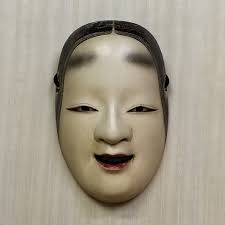
Eps 4: The noh mask
— Scary
The noh mask, integral to Japanese Noh theater, serves as a versatile tool to convey complex emotions and characters. These masks, crafted meticulously from wood, are painted and designed to suggest various roles such as gods, demons, and women. Unlike Western theater's emphasis on facial expressions, Noh performers rely on subtle tilting motions to bring the masks to life, expressing a wide range of feelings from joy to sorrow. The audience's understanding and emotional engagement hinge on the performer's ability to manipulate the mask's fixed expression through body language and context. The artistry behind Noh masks is revered, with traditions upheld by master craftsmen aiming to ensure cultural continuity.
| Seed data: | Link 1 |
|---|---|
| Host image: | StyleGAN neural net |
| Content creation: | GPT-3.5, |
Host

Beth Cunningham
Podcast Content
One of the unique aspects of the Noh mask is its ability to depict both serenity and agony, often simultaneously. The craftsmanship involved in creating these masks is unparalleled; they are designed to be both visually compelling and spiritually significant. Each mask is a work of art, imbued with symbolic meanings and historical narratives that resonate deeply with the audience.
The spiritual aspect of Noh masks cannot be overstated. These masks are not merely props but are treated with reverence, believed to house the spirits of the characters they portray. This belief lends an air of sacredness to the performances, as the actors channel these spirits through their movements and vocalizations, creating an immersive experience that transcends ordinary storytelling.
Another intriguing element is the way the Noh mask interacts with the performance space. The minimalist stage design and the slow, deliberate movements of the actors enhance the mask’s mysterious allure. The repetitive, rhythmic chanting of the chorus, combined with the haunting notes of traditional Noh instruments, such as the flute and drums, create an atmosphere where the line between reality and illusion blurs, inviting the audience into a meditative state.
The role of the Noh mask in contemporary culture remains significant, influencing various art forms beyond traditional theater. Modern artists and performers draw inspiration from these masks, incorporating their symbolic and aesthetic qualities into new mediums, thus preserving and rejuvenating this ancient art form.
The enduring legacy of the Noh mask is a testament to its profound impact on Japanese culture. It continues to be a powerful tool for storytelling, a bridge between the material and spiritual worlds, and a symbol of the deep artistry inherent in Japanese theatrical traditions. As we delve into the world of Noh, it's clear that the mask is much more than an object; it is a vessel of history, emotion, and transcendence, captivating audiences both past and present.