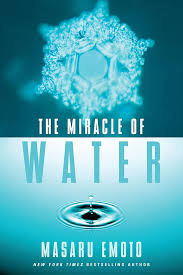
Eps 2352: the miracle of water
— The too lazy to register an account podcast
The podcast discusses the miraculous properties of water, including its ability to exist in three states - solid, liquid, and gas - and its role in sustaining life on Earth. The host explores how water's unique properties, such as its ability to dissolve a wide variety of substances and act as a solvent, make it essential for life. The episode also touches on the importance of clean and accessible water sources for human health and well-being, as well as the need for conservation efforts to protect this precious resource.
| Seed data: | Link 1 |
|---|---|
| Host image: | StyleGAN neural net |
| Content creation: | GPT-3.5, |
Host

Jerry Wright
Podcast Content
One of the most remarkable properties of water is its ability to exist in three states: solid, liquid, and gas. This unique characteristic allows water to support life on Earth in a way that no other substance can. The solid form of water, ice, floats on liquid water, which is why bodies of water freeze from the top down rather than the bottom up. This is crucial for aquatic life, as it allows organisms to survive in cold temperatures by staying below the ice layer.
Water also has a high specific heat capacity, which means it can absorb and retain a great amount of heat without changing temperature significantly. This property is essential for regulating our bodies' temperature and preventing overheating or cooling. Additionally, water is a universal solvent, meaning it can dissolve a wide variety of substances. This quality allows water to transport nutrients throughout our bodies and remove waste products efficiently.
In nature, water plays a crucial role in shaping landscapes and supporting diverse ecosystems. Rivers and streams carve out canyons and valleys over time, creating habitats for a wide range of plants and animals. Wetlands, such as marshes and swamps, are teeming with life and serve as important breeding grounds for many species. Oceans cover over 70% of the Earth's surface and are home to countless marine organisms, from microscopic plankton to massive whales.
Water is also essential for agriculture and food production. Crops require water to grow, and irrigation systems help farmers provide the necessary amount of water to their fields. Livestock also need water to thrive, and access to clean drinking water is crucial for their health and wellbeing. The global supply of fresh water is limited, however, and increasing demands from a growing population and climate change are putting pressure on this precious resource.
Despite its abundance on Earth, clean, drinkable water is not equally accessible to all. Millions of people around the world lack access to safe drinking water, leading to widespread waterborne illnesses and deaths. It is a stark reminder of the importance of water conservation and sustainable water management practices. By working together to preserve and protect our water sources, we can ensure that future generations will have access to this essential resource.
In conclusion, water truly is a miracle of nature. Its unique properties support life on Earth in countless ways, from maintaining our bodies' health to shaping landscapes and ecosystems. By recognizing the value of water and working to conserve and protect it, we can ensure a sustainable future for ourselves and the planet. Thank you for listening to "The Miracle of Water" podcast, and we hope you have gained a deeper appreciation for this incredible substance.