Host

Byron Dunn
Podcast Content
The Little Ice Age was a period of cooling that occurred from the 14th to the 19th centuries, characterized by unusually cold temperatures and a reduction in agricultural productivity. While the exact causes of this event are still debated among scientists, factors such as volcanic activity, solar variability, and changes in ocean circulation are believed to have played a role.
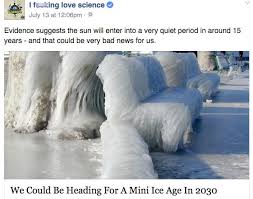
Now, fast forward to the year 2030. With the ongoing effects of climate change becoming more pronounced, some experts warn that we could be on the brink of another period of cooling reminiscent of the Little Ice Age. While this may seem counterintuitive given the current trend of global warming, it is important to remember that climate change is a complex phenomenon with unpredictable outcomes.
One potential scenario is a disruption of the Gulf Stream, a major ocean current that helps regulate global temperatures. If the Gulf Stream were to weaken or shift course, it could lead to a rapid cooling of the North Atlantic region, resulting in harsh winters and cooler summers. This could have far-reaching consequences for agriculture, biodiversity, and human populations in the affected areas.
In addition to changes in ocean circulation, increased volcanic activity and a decrease in solar activity could also contribute to a cooling trend. Volcanic eruptions release large amounts of ash and sulfur dioxide into the atmosphere, which can block sunlight and lower temperatures. Similarly, periods of low solar activity, known as solar minima, have been historically linked to cooler temperatures on Earth.
So, what can we do to prepare for a potential return of the Little Ice Age in 2030? While we cannot control natural forces such as volcanic eruptions or solar cycles, we can take steps to mitigate the impacts of climate change and build resilience in our communities. This includes investing in sustainable agriculture practices, developing renewable energy sources, and implementing adaptive measures to protect vulnerable populations.
Ultimately, the prospect of a Little Ice Age in 2030 serves as a reminder of the interconnected nature of our planet's climate system and the importance of taking action to address the challenges of a changing climate. By working together to build a more sustainable and resilient future, we can adapt to whatever surprises Mother Nature has in store for us.
Thank you for listening to "The Little Ice Age in 2030". Stay tuned for more episodes on climate change and its impacts on our world.