Eps 24: The Lake Nyos Incident
— Stuff
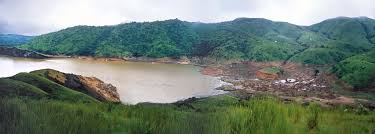
The Lake Nyos Incident describes a catastrophic natural disaster that occurred in Cameroon in 1986. A sudden and deadly outgassing of carbon dioxide from the volcanic Lake Nyos asphyxiated over 1,700 people and thousands of livestock in nearby villages. The phenomenon, known as a limnic eruption, happens when a large amount of CO2, previously dissolved in the lake's deep waters, rapidly rises to the surface and displaces the air. Scientists discovered that the lake sits atop a magma chamber that slowly leaks CO2 into the water. Efforts have since been made to prevent future disasters by installing degassing tubes to continually release the built-up gas in a controlled manner.
| Seed data: | Link 1 |
|---|---|
| Host image: | StyleGAN neural net |
| Content creation: | GPT-3.5, |
Host

Melanie Wagner
Podcast Content
This sudden outgassing, known as a limnic eruption, was triggered by the volcanic activity beneath the lake, which gradually led to the accumulation of CO2 in the water. The disaster was both extraordinary and unprecedented, catching villagers off guard as they slept. Survivors spoke of an eerie silence followed by a sudden onslaught of dizziness and loss of consciousness among their communities. The aftermath was tragic, leaving homes eerily silent and fields scattered with lifeless bodies. The Cameroon government, along with international scientists, moved quickly to understand this mysterious event and prevent future tragedies.
In the years following the disaster, studies revealed that CO2 had been slowly seeping into the lake's depths from subterranean volcanic activity. The catastrophic release was likely triggered by a perturbation in the lake’s water layers, such as a landslide or a significant drop in temperature, creating a deadly chain reaction. To avert future incidents, a degassing project was undertaken, involving the installation of pipes to safely release CO2 from the lake’s depths into the atmosphere.
This technological intervention reduced the gas levels, significantly lowering the risk of another such event. However, the tragedy of Lake Nyos serves as a stark reminder of the hidden dangers within Earth's natural systems. It underscores the importance of continuous monitoring of volcanic and geological activity, particularly in regions where communities reside close to such potentially lethal natural phenomena. Today, thanks to the lessons learned from Lake Nyos, similar lakes around the world, such as Lake Kivu in East Africa, are being closely monitored to ensure that such silent killers remain under control, safeguarding populations from nature's unpredictable wrath.