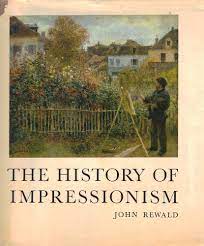
Eps 2251: The History of Impressionism
— The too lazy to register an account podcast
In the podcast episode titled "The History of Impressionism," the host delves into the origins and evolution of the Impressionist art movement. The Impressionists emerged in the 19th century as a rebellious group of artists seeking to challenge the established norms of art and break away from the traditional art institutions. The movement began in Paris in the 1860s, with artists such as Claude Monet, Pierre-Auguste Renoir, and Edgar Degas leading the way. The Impressionists sought to capture the essence of the modern world and the fleeting moments of everyday life through their paintings. An important catalyst for the Impressionist movement was the development of new technology: the portable paint tube and the advent of trains. These innovations allowed artists to step out of their studios and venture into nature, painting en plein air. This outdoor approach, alongside the use of vibrant and loose brushstrokes, became the hallmark of Impressionist art. Historically, the Impressionists faced rejection and criticism from the art establishment. Their unconventional techniques, emphasis on light and color, and subject matter (often depicting scenes from everyday life) were seen as radical and unrefined. The Salon, the official art exhibition held by the Académie des Beaux-Arts, consistently rejected their works. Frustrated by this rejection, the Impressionists decided to take matters into their own hands. In 1874, they organized the first independent exhibition, the "Exhibition of the Impressionists," which showcased around 30 artworks by artists including Monet, Renoir, and Degas. The exhibition was met with mixed reviews; while some critics showed appreciation, others ridiculed the artists and coined the term "Impressionism" as an insult. Despite the initial hostility, the Impressionists became a significant force in the art world. They formed a tight-knit group, frequently gathering at cafes and studios to discuss art and support each other. Over time, their work gained recognition, and they began to achieve commercial success. The Impressionist movement eventually evolved and expanded, with artists like Camille Pissarro and Berthe Morisot joining its ranks. Many of the core Impressionists continued to develop their techniques, experimenting with different subject matters and styles. As the podcast concludes, it emphasizes that the legacy of Impressionism goes beyond its influence on subsequent art movements. The Impressionists challenged the notion of artistic conventions, paved the way for artistic freedom, and left an indelible mark on the art world that is celebrated to this day.
| Seed data: | Link 1 |
|---|---|
| Host image: | StyleGAN neural net |
| Content creation: | GPT-3.5, |
Host

Anne Williams
Podcast Content
Impressionism was heavily criticized by the art establishment of the time, but it soon gained popularity among the public and would go on to have a lasting impact on the art world. The Impressionists held their first exhibition in Paris in 1874, where they showcased their radical paintings to the public. Critics were quick to dismiss their works as unfinished sketches or mere impressions, hence the name "Impressionism" was coined.
One of the key aspects of Impressionism was its focus on painting en plein air, or outdoors, which allowed artists to capture the effects of natural light in their works. This technique led to a shift in the perception of color and form, as artists began to experiment with new ways of depicting the world around them. Rather than seeking to create a realistic representation of a scene, the Impressionists aimed to convey the overall impression or atmosphere of a moment.
The use of vibrant colors and loose brushstrokes in Impressionist paintings created a sense of movement and spontaneity that was unlike anything that had been seen before. Artists like Monet and Renoir were particularly adept at capturing the play of light on water or the dappled effect of sunlight filtering through trees. Their paintings often had a dreamlike quality, as if the scenes they depicted were fleeting and ephemeral.
As Impressionism gained popularity, it began to influence artists across Europe and the United States. In the decades that followed, artists such as Mary Cassatt, Camille Pissarro, and Berthe Morisot would take up the mantle of Impressionism and further develop its techniques. The movement also inspired other art forms, such as music and literature, as artists sought to capture the same sense of immediacy and spontaneity that the Impressionists had achieved in their paintings.
Despite its initial struggles for acceptance, Impressionism went on to become one of the most celebrated art movements of the 19th century. Its influence can be seen in the works of later artists such as the Post-Impressionists, the Fauvists, and the Expressionists, who all sought to push the boundaries of what art could achieve. Today, the legacy of Impressionism lives on in the countless museums and galleries around the world that showcase the works of these pioneering artists.
In this podcast, we will explore the key figures and works of Impressionism, as well as the social and cultural context in which the movement emerged. Join us as we delve into the history of Impressionism and discover how a group of artists revolutionized the world of art with their groundbreaking vision. Thank you for listening, and we hope you enjoy our exploration of this fascinating and influential art movement.