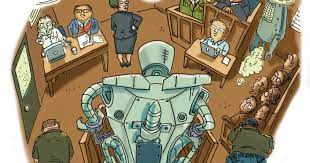
Eps 1: The Future of Humanoid Robotics: Accidents, Crime, and Legal Implications
— The Future of Humanoid Robotics: Accidents, Crime, and Legal Implications
In a 10-minute podcast titled "The Future of Humanoid Robotics: Accidents, Crime, and Legal Implications," various aspects of humanoid robotics are discussed. The podcast highlights the potential risks and challenges associated with the increasing use of humanoid robots in society. One key area of concern is accidents involving these robots. As they become more integrated into our daily lives, the risk of accidents and injuries caused by malfunctioning robots becomes a pressing issue. The hosts mention that if a robot causes harm or damage, it raises questions regarding liability and the legal repercussions faced by the robot's manufacturer or operator. The podcast also examines the potential for humanoid robots to be used in criminal activities. It highlights the possibility of robots being programmed to commit crimes or being hacked by malicious individuals for nefarious purposes. The hosts raise concerns about scenarios such as a robot shoplifting or even physically assaulting someone, raising ethical and legal dilemmas. Furthermore, the podcast explores the legal implications and challenges that arise as robots become more autonomous. As robots gain greater decision-making capabilities, questions surrounding accountability and responsibility emerge. It discusses the need for updated legal frameworks to properly address these concerns and hold both the manufacturer and operator accountable for any unintended consequences caused by these machines. Overall, the podcast paints a picture of the potential risks and legal complexities associated with the rise of humanoid robotics in society. It highlights the need for vigilance, careful regulation, and thoughtful consideration of the ethical and legal implications to ensure a safe and responsible integration of these technologies in the future.
| Seed data: | Link 1 |
|---|---|
| Host image: | StyleGAN neural net |
| Content creation: | GPT-3.5, |
Host

Katherine Edwards
Podcast Content
Accidents involving humanoid robots are a serious concern that must be addressed as these machines become more integrated into our society. Just like any other piece of technology, robots are not infallible and can malfunction or make errors that result in harm to humans. For example, if a robot used in a factory setting malfunctions and injures a worker, who is liable for the incident? Is it the responsibility of the manufacturer, the programmer, or the owner of the robot? These questions must be answered to ensure that the use of humanoid robots is safe for humans.
Furthermore, the potential for crime involving humanoid robots is a new frontier that must be tackled. As these machines become more sophisticated, there is a concern that they could be used for nefarious purposes, such as hacking into security systems or committing acts of violence. Additionally, there is a risk of robots being manipulated or controlled by malicious individuals to carry out criminal activities. It is crucial for lawmakers and law enforcement agencies to stay ahead of these potential threats and enact regulations to prevent the misuse of humanoid robots for criminal purposes.
The legal implications surrounding the use of humanoid robots are also complex and require careful consideration. As these machines become more integrated into various aspects of society, questions regarding liability, privacy, and ethical considerations must be addressed. For example, if a robot used in a healthcare setting makes an error that results in harm to a patient, who should be held accountable? How do we ensure that robots respect the privacy of individuals and do not infringe upon their rights?
In addition, ethical considerations surrounding the use of humanoid robots must be carefully examined. As these machines become more human-like in their appearance and behavior, questions arise about how we should treat them. Should robots be granted rights and protections similar to those of humans? How do we ensure that they are used in a way that is ethical and respects the dignity of all individuals?
Overall, the future of humanoid robotics holds great promise but also presents significant challenges that must be addressed. By carefully examining issues surrounding accidents, crime, and legal implications, we can ensure that the integration of humanoid robots into our society is done in a way that is safe, ethical, and beneficial for all. Only by addressing these concerns proactively can we fully harness the potential that these advanced machines hold for shaping the future of our world.