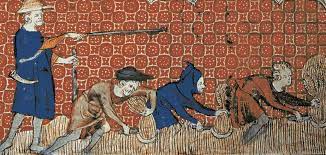
Eps 2: The Death of Peasant Food: Are Food Conglomerates and the ever increasing internationalisation killing peasant dishes and thus creativity in Food?
This podcast discusses whether food conglomerates and internationalization are causing the disappearance of peasant dishes and harming creativity in the food industry. The host argues that the globalization of food is leading to the homogenization of culinary practices. While traditional peasant dishes may be disappearing, the host believes that innovation in cooking techniques and fusion cuisine can lead to new forms of creativity. Ultimately, the host concludes that it's important to preserve traditional dishes but also embrace new culinary practices to continue to evolve the food industry.
| Seed data: | Link 1 |
|---|---|
| Host image: | StyleGAN neural net |
| Content creation: | GPT-3.5, |
Host

Leon Knight
Podcast Content
Food conglomerates have taken over the market, and with their internationalisation, traditional peasant dishes are being overshadowed by globalised cuisine. In this podcast, we will explore how these changes are affecting the creativity of food and ask the question, "Is the Death of Peasant Food, killing creativity in the food industry?"
To start, let's define what peasant food is. It refers to a type of cuisine that originated from the lower classes, using local, affordable, and seasonal ingredients. These dishes were often simple but flavourful and prepared with love and care, revealing a sense of cultural heritage, family tradition and community sharing.
Peasant food has always been a source of creativity in the culinary world. With no access to expensive ingredients, peasants used what was available to create mouth-watering dishes. These recipes were passed down from generation to generation, with each contributing their own twists and changes to the dish, thus cultivating unique regional flavours.
However, this creativity and originality are being stifled by the conglomerates that control the food industry. With a focus on efficiency and maximization of profits, these corporations are sourcing their foods from global suppliers, killing the use of local and indigenous ingredients. This shift leads to the standardisation of meals, damaging the aspect of cultural diversity that is so crucial to the art of cooking.
Furthermore, the globalisation of businesses is reducing cultural diversity in the food industry. As big businesses cater to more and more standardized tastes, traditional recipes and cultural cuisines are being lost. This loss of cultural diversity means that the food industry is losing out on the creativity and originality that comes with authentic cuisine.
In addition to the impact on creativity, the production of peasant dishes requires a high level of skill and expertise, which is also being lost. Mechanised production and industrial farming methods have replaced traditional farming and growing practices, reducing the need for human labour and increasing profits. The resultant loss of skill as a result of mechanisation further reduces the creativity of traditional food.
Sadly, the death of peasant food is also affecting the health of consumers. Food corporates have replaced locally sourced, fresh produce with processed food containing additives and preservatives. The over-reliance on artificial chemicals in food production is a contributing factor to the growing global health crisis. Regardless of the health risks, the food industry continues with its production methods in pursuit of profit, further degrading the tradition of peasant food.
In conclusion, the death of peasant food is having significant impacts on the creativity of the food industry. The shift from local to global cuisines has led to a loss of cultural diversity and originality. With the disappearance of indigenous ingredients, traditional farming methods and skill levels are also diminishing. Furthermore, the growing reliance on artificial chemicals in food production is damaging consumer health. It is vital to revive our love for local, indigenous ingredients and traditional methods to cultivate creativity in the industry. It is only by revisiting peasant dishes and their methods of preparation that we can retain the cultural richness and authenticity of traditional dishes. So let's take a stand and save our beloved, peasant food!