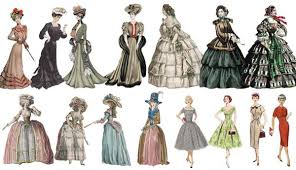
Eps 19: The best fashion trends in history
— History
The podcast explores iconic fashion trends throughout history, highlighting their origins and cultural impact. It begins with the flapper dresses of the 1920s, which symbolized women's newfound freedom and rebellion against traditional norms. Moving on to the 1950s, it discusses the influence of Hollywood on fashion, emphasizing the hourglass figure popularized by stars like Marilyn Monroe. The 1960s brought the mod look, characterized by bold, geometric patterns and miniskirts, reflecting the decade's social upheaval and youth-driven culture. In the 1980s, power suits became a symbol of women's increasing presence in the corporate world. Lastly, the podcast touches on the grunge movement of the 1990s, which rejected polished aesthetics in favor of a more casual, rugged look. Each of these trends not only defined their eras but also left a lasting legacy in the world of fashion.
| Seed data: | Link 1 |
|---|---|
| Host image: | StyleGAN neural net |
| Content creation: | GPT-3.5, |
Host

Allan Gregory
Podcast Content
In the 1960s, the Mod movement in Britain brought us miniskirts and bold, geometric patterns, celebrating youth culture and modernity. The hippie trend of the late 1960s and early 1970s, with its bell-bottoms, tie-dye, and fringe, was a sartorial embodiment of countercultural protest and a quest for peace and love. Punk fashion emerged in the mid-70s, with its ripped clothing, safety pins, and anarchic aesthetic, as a raw, rebellious response to societal norms.
The 1980s saw the rise of power dressing, with strong shoulders, bold colors, and oversized silhouettes, mirroring the era's ambitious, go-getter spirit. The grunge trend of the early 1990s turned this on its head, with flannel shirts, distressed jeans, and a grittier aesthetic, reflecting Generation X's disenchantment with materialism. The turn of the century brought us the minimalism of the 2000s, with its clean lines and neutral palettes, a stark departure from the maximalism of previous decades.
As we moved into the 2010s, athleisure became a significant trend, merging functionality with style and signaling a shift toward wellness and flexibility in daily life. Vintage and retro styles also made a comeback, as fashion became increasingly cyclical and consumers began to value sustainability. This decade also witnessed the rise of digital fashion influences, where social media platforms became the new catwalks, further democratizing fashion and making it more accessible than ever before. In sum, each era's iconic fashion trends not only shaped the aesthetics of their time but also offered profound insights into society's evolving values and aspirations.