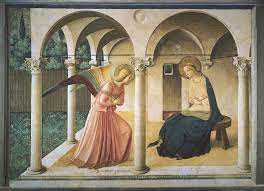
Eps 2: The Annunciation
"The Annunciation" is a 10-minute podcast episode that explores the significance of the biblical event called "The Annunciation" which involves the visit of the angel Gabriel to the Virgin Mary. The episode delves into the biblical narrative and its impact on Christianity, examining the paintings, sculptures, and iconography that have been inspired by this event throughout history. It discusses the symbolism and theological implications associated with the Annunciation, emphasizing Mary's role as the mother of Jesus and the divine intervention in her conception. The episode also touches upon the artistic representations of the Annunciation and how they reflect the cultural and historical contexts in which they were created. Overall, the podcast offers a concise and informative overview of the Annunciation, highlighting its religious significance and artistic interpretations.
| Seed data: | Link 1 |
|---|---|
| Host image: | StyleGAN neural net |
| Content creation: | GPT-3.5, |
Host

Angel Sims
Podcast Content
In the realm of Christian belief, few events hold as much significance as the announcement of the Virgin Mary's conception of Jesus Christ. Known as the Annunciation, this sacred moment is a cornerstone of the faith, symbolizing the fulfillment of centuries-old prophecies. From its biblical origins to its artistic interpretations, the Annunciation continues to captivate believers and scholars alike, shedding light on the profound mysteries of God's plan for humanity.
According to the Gospel of Luke, the Annunciation occurred when the angel Gabriel was sent by God to the town of Nazareth in Galilee. Gabriel's purpose was to deliver a divine message to a young woman named Mary, who was betrothed to a man named Joseph. In a moment of incredible revelation, Gabriel informed Mary that she would conceive through the Holy Spirit and give birth to a son, who would be named Jesus. Struck with awe and humility, Mary accepted her divine calling, proclaiming, "Let it be to me according to your word." With her consent, the Annunciation marked the moment when God became incarnate within the womb of this humble young woman.
The Annunciation holds immense theological significance within the Christian tradition. It is celebrated as the moment of the Incarnation, when the divine and human natures of Christ became intertwined. From this point forward, God would manifest Himself in human form, fully embracing the human experience while remaining divine. This divine mystery is central to Christian teachings, emphasizing the profound love and humility of God, who chose to enter the world through the womb of a young virgin.
Throughout history, the Annunciation has been a subject of intense artistic exploration. From medieval illuminated manuscripts to Renaissance paintings, artists have sought to capture the ethereal beauty and awe-inspiring nature of this sacred event. One of the most iconic depictions is Leonardo da Vinci's "The Annunciation," which showcases Gabriel and Mary in a moment frozen in time. The delicate brushstrokes and careful attention to detail convey the heavenly atmosphere surrounding this divine encounter.
Beyond its artistic allure, the Annunciation serves as a potent reminder of the values of faith, obedience, and surrender. Mary's readiness to accept God's plan, despite the social and personal consequences she might face, demonstrates her unwavering trust in God's guidance. Her example inspires believers to remain open to God's calling in their own lives, ready to embrace the unknown and follow His will.
The Annunciation is more than just a historical event or a religious story; it holds profound lessons for believers today. It challenges individuals to trust in God's timing and purpose, even when faced with uncertainty or adversity. It reminds them of the beauty and power that can be found in surrendering to God's plan, and the profound impact they can have when they allow Him to work through their lives.
In conclusion, the Annunciation stands as one of the most significant moments in Christian belief, symbolizing the miraculous union of the divine and human. From its biblical origins to its artistic interpretations, this sacred event offers a glimpse into the mysteries of God's plan for humanity. Through the obedience and faith of the Virgin Mary, believers are encouraged to seek humility, surrender, and trust in the face of life's challenges. The Annunciation continues to inspire and captivate, inviting individuals to reflect upon their own divine calling and the endless possibilities that unfold when they embrace it.