Eps 12: Should we have stayed in tribalism
— THE JOKE
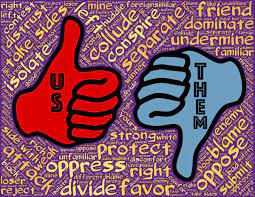
The podcast explores the idea of whether or not humanity would have been better off remaining in tribal societies rather than evolving into modern, individualistic ones. The host and guest discuss the benefits of communal living in tribes such as cooperation, a strong sense of community and belonging, and a simpler, less stressful way of life. However, they ultimately conclude that while there were some advantages to tribalism, the many advancements in technology, medicine, and societal structures that have come about from moving beyond tribalism have greatly improved many aspects of our lives. Additionally, with globalization connecting people from all over the world and cultures mixing, the concept of "tribes" is becoming more fluid and inclusive. Overall, they believe that while there are some positive aspects to tribalism, modern civilization has brought about many important advancements and improvements to human well-being.
| Seed data: | Link 1 |
|---|---|
| Host image: | StyleGAN neural net |
| Content creation: | GPT-3.5, |
Host

Jerry Wright
Podcast Content
Tribalism offered a sense of belonging and protection, which is not present in today's world. In a tribe, people shared their lives and resources with each other. It was a time where humans lived in balance with nature, respected their environment, and every living being. A tribe was a more equitable society, where individual talents and skills did not outweigh the needs of the group. People depended on each other to survive and thrived on human connection.
One argument for leaving behind tribalism is growth. With the advent of agriculture, urbanization, and industrialization, humans moved away from the limited resources of smaller groups and into larger societies. Globalization and increased communication have allowed for greater economic, social, and cultural exchange among people from different backgrounds. This has led to greater opportunities for personal and economic growth. The rise of nation-states has also brought order and stability to the world.
However, the end of tribalism has also led to a rise in inequality. Tribal societies were often more equal because everyone had to contribute to the group. In modern societies, successive generations have accumulated wealth and power that is often passed down through families, leading to social stratification. The rich get richer, and the poor stay poor. This has resulted in an erosion of trust and cohesion within our societies.
Tribalism also had a sense of morality that is missing in today's world. Tribal societies often had shared values, beliefs, and customs that were the foundation of their social structure. In contrast, modern societies have no common cultural identity and often have varying moral beliefs. This leads to moral relativism, where people believe that morality is subjective and relative to their own cultural background.
Additionally, modern societies have lost the connection with nature that was shared by people in tribal societies. With urbanization and industrialization, we have neglected our environment, and we have lost sight of our reason for existence. We were created to protect and live alongside nature, not destroy it.
However, the idea of reverting to tribalism in today's world may be near impossible. The growth of human population and interconnectivity has led to a world that is much more complex and diverse than before. Moreover, the conflicts between different tribal societies that often led to war and oppression cannot be ignored.
In conclusion, the end of tribalism was necessary for mankind's progress. It may have brought about growth and technological advancement, but it has also led to social stratification, moral relativism, and environmental degradation. Although reverting to tribalism is not ideal, we must strive to find a balance between the benefits of modern society and the values and principles that were present in earlier times. We must remember our connection to nature and find a way to create a society that values equality, morality, and human connection.