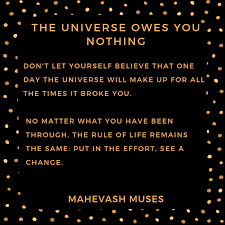
Eps 25: Self entitled society: they don't owe you nothing and you don't owe them
— THE JOKE
The podcast discusses the issue of entitlement in today's society, where people expect others to cater to their demands without offering anything in return. The host emphasizes that nobody owes anyone else anything, whether it's attention, help, or anything else. This doesn't mean people shouldn't help each other out, but rather that it's important to have a reciprocal relationship where both parties are willing to give and take. He also highlights the importance of taking responsibility for your own life and not relying on others to solve your problems. Ultimately, he encourages listeners to avoid entitlement and take ownership of their own lives.
| Seed data: | Link 1 |
|---|---|
| Host image: | StyleGAN neural net |
| Content creation: | GPT-3.5, |
Host

Carter Sutton
Podcast Content
People with a sense of self-entitlement tend to hold unreasonable expectations, often expecting the world to revolve around them. They can't accept rejection or failure and struggle when their expectations aren't met. This can lead to anger, frustration and even unhealthy coping mechanisms. More importantly, it can damage relationships, both personal and professional.
This epidemic of self-entitlement manifests in several areas of our lives, including education, work, and even relationships. For example, students demanding higher grades without putting effort or feeling entitled to a degree without earning it. Similarly, people in the workforce who expect promotions and recognition without putting in the hours or hard work. Additionally, in relationships, people may feel entitled to a partner who meets their every need without considering the other person's feelings or needs.
The issue of self-entitlement arises due to several factors, including societal norms, culture, and upbringing. Excessive consumerism has led us to believe that we are entitled to instant gratification and convenience. The uncritical notion of everyone being a winner is another factor where people are given rewards just for participating. The ease of social media where people can post whatever they want, and expect instant gratification in likes, comments, and followers has further worsened this trend.
The problem with self-entitlement is that it ignores the importance of personal responsibility and hard work. When we feel entitled, we forget that our choices and actions have consequences. It also undermines gratitude, humility and respect for others. What's more, individuals who feel entitled tend to undermine the value of their peers, co-workers and family members.
However, it's not all doom and gloom. There are ways to cope with self-entitlement and break the cycle. Firstly, recognising one's own self-entitlement and questioning one's views and attitudes is crucial. It can help individuals become more self-aware, and manage their expectations and behaviours. Secondly, developing empathy and understanding of others’ perspectives can help us see things in a new light, and be more respectful of others’ views. Thirdly, cultivating a sense of gratitude and humility can remind us of the privilege we have and motivate us to work hard to achieve our goals.
In conclusion, self-entitlement is a pernicious problem that we have to address as a society. It leads to frustration, anger and stigma over time and deprives people of the healthy and fulfilling life they deserve. Therefore, recognising or resetting one's attitudes about entitlement is a constructive way to lead a better lifestyle, whereas multi-dimensional questioning, empathy building, and gratitude can help break the never-ending cycle. Hence, we should always keep in mind that no one owes us anything, and we don't owe others anything either. It's the very foundation of building a self-sustaining and productive community.