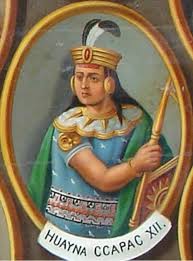
Eps 81: Royal incest and inbreeding in the Incan empire
— History
The Incan Empire practiced royal incest and inbreeding primarily to preserve the purity of the royal lineage, believed to be descendants of the sun god Inti. Sibling marriages, especially between brothers and sisters in the royal family, were common to maintain divine bloodlines and consolidate power. This practice was culturally significant as it reinforced the ruler's divine status and legitimacy. The emperor, known as Sapa Inca, often married his sister to ensure that the royal blood remained untainted. However, this inbreeding likely had genetic consequences, potentially contributing to various health issues within the royal family. The emphasis on purity and divinity through these practices showcased the Incan's complex interplay between biology, religion, and politics.
| Seed data: | Link 1 |
|---|---|
| Host image: | StyleGAN neural net |
| Content creation: | GPT-3.5, |
Host

Kathy Mitchelle
Podcast Content
Incestuous practices weren't just confined to romantic unions but permeated different aspects of their sociopolitical structure. The royals believed that inbreeding preserved the sanctity and continuity of their bloodline, which was critical for political stability and spiritual legitimacy. This practice came with its own set of negative consequences, including potential genetic issues, though these were less documented than in some European royal families. The emphasis on inbreeding also created tensions and rivalries among different factions within the ayllu, the extended kin group. These internal dynamics often led to civil conflicts, significantly weakening the empire's resilience against external threats, especially the Spanish conquistadors.
In the Incan cosmology, the concept of blood purity extended beyond mere earthly rule and had spiritual ramifications. The Incas believed that their rulers had a divine mandate to lead their people, and this mandate was intrinsically linked to their unadulterated lineage. The mummies of former rulers, known as mallquis, were venerated and played an active role in political and religious life, emphasizing the immortality and continuous divine guidance of the royal bloodline. This veneration underscores the critical importance of maintaining blood purity through inbreeding, as spiritual and temporal power were deeply intertwined.
However, the long-term impacts of these practices were far from solely spiritual or political. Scholars suggest that the concentrated power due to inbreeding may have created vulnerabilities within the ruling elite, contributing to the eventual downfall of the empire. The internal fracturing and succession disputes weakened the Incan resistance against the Spaniards, who exploited these divisions effectively. Moreover, the Spanish chroniclers documented their observations of the Incan practices with a mix of fascination and repulsion, often misinterpreting these customs through their own cultural biases, which has influenced how history remembers these practices today.
Thus, the Incan emphasis on royal incest and inbreeding presents a complex portrait of how deeply intertwined ideology, religion, and power were in their society. These practices were not merely matters of personal relationships but were central to the very structure of Incan governance and cosmology. While they helped maintain a unified and concentrated source of power for centuries, they also sowed the seeds of internal strife that would compromise the empire’s integrity in the face of external conquest.