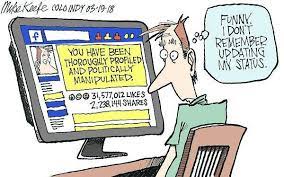
Eps 1: Political manipulation
The 10-minute podcast titled "Political Manipulation" discusses how political leaders and parties often manipulate information and emotions to gain power and further their agendas. The speaker highlights that this manipulation is not limited to any specific country or ideology, but is a common strategy employed by politicians worldwide. The podcast begins by explaining that political manipulation involves a variety of tactics such as spreading misinformation, creating fear, and exploiting people's emotions. This manipulation can be done through various mediums, including traditional media outlets, social media platforms, and even direct communication with individuals. One example of political manipulation mentioned in the podcast is the use of emotional appeals. Politicians often play on people's fears, hopes, and desires to gain their support. By framing issues in a way that resonates with their target audience, they can influence public opinion and shape political discourse. Another tactic discussed is the spread of misinformation. Politicians may exaggerate facts, distort reality, or completely fabricate stories to manipulate public perception. This can be particularly effective when misinformation aligns with people's pre-existing beliefs or biases. The podcast emphasizes that political manipulation is a powerful tool that can have both positive and negative consequences. While politicians may justify manipulation as a means to achieve their goals or promote their ideals, it can also erode public trust in the political system and hinder democratic processes. In conclusion, the podcast highlights the prevalence and impact of political manipulation. By understanding these tactics, listeners are encouraged to critically analyze political information, be aware of potential manipulation, and actively participate in shaping politics rather than being passive consumers of information.
| Seed data: | Link 1 |
|---|---|
| Host image: | StyleGAN neural net |
| Content creation: | GPT-3.5, |
Host

Heidi Chapman
Podcast Content
One of the most common forms of political manipulation is the use of propaganda. Governments and political parties often employ propaganda to spread biased or misleading information in order to sway public opinion in their favor. This can be done through traditional media channels such as newspapers and television, as well as through social media platforms where misinformation spreads rapidly.
Censorship is another powerful tool used by those in power to manipulate the flow of information. By controlling what information is shared and restricting access to certain sources, governments can effectively silence dissenting voices and shape the narrative to suit their own agenda. This can have far-reaching consequences for a society, as it limits the ability of individuals to make informed decisions and hold their leaders accountable.
Surveillance is also a common tactic used by political entities to monitor and control the population. Through the use of surveillance technology such as CCTV cameras, facial recognition software, and internet monitoring, governments can keep a close eye on their citizens and target those who pose a threat to their power. This can create a climate of fear and distrust, as individuals may feel that they are constantly being watched and judged by those in authority.
In addition to these more overt forms of manipulation, there are also subtler tactics at play in the political arena. For example, politicians may use emotional appeals, fear-mongering, and divisive rhetoric to galvanize support and demonize their opponents. By tapping into people's emotions and prejudices, political figures can rally their base and create a sense of us versus them, further entrenching their power.
As we delve deeper into the world of political manipulation, we will also examine the role of the media in shaping public opinion. In today's digital age, where information is constantly at our fingertips, the media plays a crucial role in shaping the narrative and influencing public perception. However, with the rise of fake news and biased reporting, it can be difficult to separate fact from fiction and discern the truth.
Ultimately, political manipulation is a pervasive and insidious force that affects us all. Whether we realize it or not, we are constantly being bombarded with messages and narratives that seek to influence our beliefs and behaviors. By understanding the tactics used by those in power, we can become more critical consumers of information and better equipped to resist manipulation. Join us as we unpack the complexities of political manipulation and explore how we can navigate this treacherous terrain with clarity and insight.