Eps 2137: Oriente medio, casi un siglo de sufrimiento
— The too lazy to register an account podcast
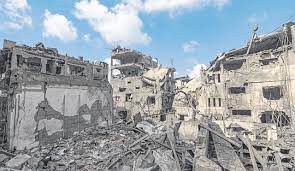
The podcast titled "Oriente medio, casi un siglo de sufrimiento" discusses the ongoing conflicts in the Middle East and the suffering endured by its people for nearly a century. It highlights the historical context of the region, including the fall of the Ottoman Empire and the subsequent division of the land by European powers. The podcast examines the various conflicts and factors that have fueled the suffering in the region, such as the Arab-Israeli conflict, the Iran-Iraq war, and the rise of extremist groups like ISIS. It discusses the significant impact of oil wealth in the region, leading to power struggles and proxy wars. Furthermore, the podcast touches on the involvement of superpowers like the United States and Russia in the region's conflicts, often exacerbating tensions and prolonging people's suffering. It also explores the consequences of these conflicts, including the displacement of millions of people, the destruction of infrastructure, and the human toll of violence and terrorism on the region's inhabitants. Overall, the podcast highlights the complex nature of the Middle East's conflicts and emphasizes the long history of suffering endured by its people.
| Seed data: | Link 1 |
|---|---|
| Host image: | StyleGAN neural net |
| Content creation: | GPT-3.5, |
Host

Marion Hawkins
Podcast Content
Introduction:
In the last century, the Middle East has undoubtedly been at the center of numerous conflicts, uprisings, and power struggles. The region has consistently witnessed political unrest, violent confrontations, and a persistent struggle for socio-economic stability. In this episode, we delve into the origins and complexities of the Middle East's tumultuous journey, shedding light on the major events that have shaped its history and contributed to the suffering of its people.
Historical Context:
The roots of the Middle East's turmoil can be traced back to the aftermath of World War I, with the disintegration of the Ottoman Empire. The subsequent carving up of the region by the European powers through the Sykes-Picot Agreement further exacerbated tensions by creating artificial borders that ignored ethnic, tribal, and religious divisions. This laid the foundation for deep-seated conflicts and rivalries that persist to this day.
Arab-Israeli Conflict:
No discussion about the suffering in the Middle East is complete without addressing the Israeli-Palestinian conflict. Emerging from the establishment of the state of Israel in 1948, the conflict has resulted in decades of violence, displacement, and a profound sense of injustice. The ongoing occupation of Palestinian territories, illegal settlements, and the lack of a viable solution continue to fuel unrest and despair amongst the Palestinian people.
Iran-Iraq War:
Another significant event in the region's turbulent history was the Iran-Iraq War, which lasted from 1980 to 1988. This devastating conflict between two major powers in the region resulted in millions of casualties, economic hardship, and a lasting legacy of mistrust and enmity. Despite the ceasefire, the consequences of this war are still deeply felt in both countries today.
Gulf Wars and the Rise of Terrorism:
The Middle East also witnessed two Gulf Wars, initiated by Western powers in response to regional conflicts. These wars, particularly the 2003 invasion of Iraq, destabilized the region, leading to power vacuums, widespread violence, and the rise of extremist groups like ISIS. The consequences of these wars have been catastrophic, with countless lives lost, infrastructure destroyed, and a profound erosion of stability throughout the region.
Arab Spring and Its Aftermath:
In 2011, the Arab Spring brought hope for change and democracy to several Middle Eastern countries. However, the aftermath of these uprisings was far from what many had anticipated. Countries like Syria, Libya, and Yemen descended into chaos, with widespread violence, civil wars, and the rise of extremist organizations. The resulting humanitarian crises have further exacerbated the suffering of the people and created one of the largest refugee populations in recent history.
Conclusion:
The Middle East has experienced almost a century of suffering, marked by political instability, territorial disputes, and ongoing conflicts. The consequences of decisions made by colonial powers after World War I, the unresolved Israeli-Palestinian conflict, devastating wars, and the rise of extremist groups have all taken a toll on the region's people and shattered any hopes of lasting peace. The path to a more stable and prosperous Middle East remains challenging, requiring collective efforts and a genuine commitment to address the root causes of its suffering. Only through dialogue, mutual respect, and a recognition of the shared humanity of all its people can the Middle East move towards a brighter and more peaceful future.