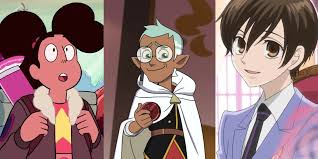
Non binary characters in cartoons

Tags:

Non-binary Characters Cartoons Representation Animation Diversity LGBTQ+

Eps 34: Non binary characters in cartoons

Stuff

The podcast discusses the increasing representation of non-binary characters in cartoons, emphasizing the importance of visibility for non-binary individuals in media. It highlights how these characters help to normalize diverse gender identities and provide relatable role models for young viewers. Specific examples of non-binary characters in popular cartoons are explored, illustrating how they are portrayed and the positive impact these characters can have on both non-binary individuals and broader audiences. The podcast stresses that inclusive representation in children's media can promote understanding and acceptance of different gender identities from an early age.

Seed data: Link 1
Host image: StyleGAN neural net
Content creation: GPT-3.5,

Host

Ann Taylor

Ann Taylor

Podcast Content
The world of cartoons has long been a medium for pushing boundaries and exploring diverse identities, one of which includes non-binary characters who don't fit into the traditional male or female categories. Take for example Stevonnie from "Steven Universe," a fusion of Steven and Connie who embody a non-binary existence, comfortably shifting between genders. Their character challenges viewers to think beyond the binary framework and embrace varied forms of gender expression. Furthermore, in "She-Ra and the Princesses of Power," we meet Double Trouble, a shape-shifter using they/them pronouns, who effortlessly challenges normative gender roles. By including characters like these, creators not only reflect an evolving societal understanding of gender but also provide representation for non-binary individuals, allowing them to see themselves on screen. These characters spark vital conversations around gender fluidity and identity, doing much more than just offering entertainment; they play a crucial role in normalizing non-binary identities. Additionally, these representations kickstart important dialogues, both in online communities and at home, making it clear that the binary structure of male and female isn't the only way to understand and experience gender. In summation, non-binary characters in cartoons are opening up new realms of inclusivity and understanding, pushing us toward a future where all forms of identity are respected and celebrated.