Eps 73: most controversial video games iceberg
— Stuff
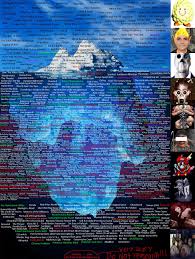
The podcast discusses a range of video games that have sparked controversy over the years, structuring the discussion in an "iceberg" format to convey varying depths of notoriety. At the surface level, games like "Grand Theft Auto" are covered, known for their violent and explicit content. Moving deeper, titles like "Manhunt" and "Postal" are mentioned, notorious for extreme violence and moral ambiguity. In the mid-levels, games such as "Hatred" are discussed, criticized for their nihilistic themes. At the lowest depths of the iceberg, the podcast explores lesser-known but highly controversial games like "RapeLay," which caused international backlash due to its disturbing subject matter. The discussion reveals how these games have provoked outrage, legal battles, and debates about the impact of video game content on society.
| Seed data: | Link 1 |
|---|---|
| Host image: | StyleGAN neural net |
| Content creation: | GPT-3.5, |
Host

Melanie Wagner
Podcast Content
Descending further into the icy depths, we uncover "Custer's Revenge," an infamous relic from the early days of gaming, notorious for its offensive and overtly sexual content, which stirred significant controversy and public outcry. Another layer reveals "Ethnic Cleansing," a game so vile and racist that its very existence is a testament to the darkest corners of game development. Deeper still, "Active Shooter" brings the horrifying premise of school shootings to the gaming screen, igniting a firestorm of social and political backlash.
Near the bottom, "Super Columbine Massacre RPG!" forces players to grapple with the harrowing reality of a real-life tragedy, causing immense outrage and debates about artistic freedom versus ethical responsibility. At the very base of the iceberg, hidden in the darkest, coldest waters, lies "Sad Satan," a game shrouded in mystery, urban myth, and alleged ties to deeply disturbing content. Each of these games represents more than just entertainment; they are flashpoints in a larger conversation about violence, morality, and the impact of interactive media on society. Exploring this iceberg reveals not only the evolution of controversy in video games but also the complex dialogue between creators, players, and the world at large.