Eps 55: MOOCs Unveiled: The Evolution of Massive Open Online Courseware
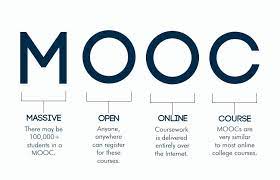
Massive Open Online Courses (MOOCs) have evolved significantly since their inception. Initially hyped as a disruptive force in education, they faced challenges, including high dropout rates and questions about effectiveness. The podcast discusses how MOOCs have adapted, with platforms like Coursera, edX, and Udacity partnering with universities and companies to offer more structured, career-oriented programs. Credentialing has become a key focus, with many MOOCs now providing recognized certificates and even pathways to full degrees. Technology has advanced too, with AI-driven personalized learning and improved interaction tools. The conversation highlights MOOCs' potential to democratize education globally while acknowledging ongoing challenges and opportunities for further innovation.
| Seed data: | Link 1 |
|---|---|
| Host image: | StyleGAN neural net |
| Content creation: | GPT-3.5, |
Host

Vincent Jensen
Podcast Content
Over the years, MOOCs have evolved significantly. Early criticism pointed at low completion rates, suggesting that while many enrolled, few finished. Educators responded by refining course structures, integrating more interactive elements, and offering certifications and micro-credentials that added tangible value to participants' professional lives. The introduction of blended learning models, combining online and face-to-face interactions, also helped increase engagement and completion rates.
Technological advancements have further transformed MOOCs. The use of artificial intelligence and data analytics has personalized learning experiences, providing tailored feedback and adaptive learning paths to address individual needs. Initiatives like nano-degrees and professional certificates have enabled learners to acquire specific skills quickly, responding to the dynamic demands of the job market.
The COVID-19 pandemic underscored the relevance of MOOCs, with institutions and learners turning to online platforms en masse. This period catalyzed a new wave of innovation and acceptance, pushing institutions to incorporate MOOC elements into traditional curricula, thus hybridizing education models. Partnerships between universities and MOOC providers have also flourished, creating more accredited programs that offer formal recognition alongside the convenience of online learning.
As MOOCs continue to evolve, their impact is now measured not just in terms of enrollment but in the tangible career advancements and educational opportunities they provide. They have come to represent more than just a workaround for traditional education systems, instead carving out a permanent niche within the broader educational ecosystem. The future of MOOCs points toward even greater integration with formal education, expanded access through global partnerships, and the continuous improvement of learning technologies, ensuring that education remains adaptive, inclusive, and responsive to global needs.