Eps 2082: Modi
— The too lazy to register an account podcast
The 10-minute podcast titled "Modi" focuses on Indian Prime Minister Narendra Modi. It provides a summary of his background, political journey, and key achievements during his tenure. Modi was born into a humble family in Gujarat, India, and initially worked for the Rashtriya Swayamsevak Sangh (RSS) - a right-wing Hindu nationalist organization. He then joined the Bharatiya Janata Party (BJP) and gradually rose through the ranks. In 2001, Modi became the Chief Minister of Gujarat, where he implemented various reforms and gained popularity for his economic policies. In 2014, he was elected as India's Prime Minister. Under Modi's leadership, the government launched several initiatives such as Make in India, Digital India, and Swachh Bharat Abhiyan (Clean India Mission). He also implemented the Goods and Services Tax (GST) and demonetization to combat corruption and promote a cashless economy, although both initiatives faced criticism. The podcast generally highlights Modi's rise to power, his policies, and the impact they have had on India's economy and society.
| Seed data: | Link 1 |
|---|---|
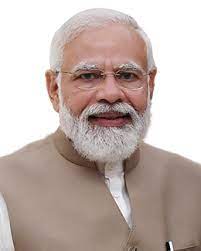
| Host image: | StyleGAN neural net |
| Content creation: | GPT-3.5, |
Host

Leon Knight
Podcast Content
Introduction:
Welcome to another episode of our podcast! In today's episode, we are going to discuss a prominent figure in Indian politics: Narendra Modi. Born on September 17, 1950, in Vadnagar, Gujarat, Narendra Damodardas Modi is the current Prime Minister of India. Join us as we explore various aspects of his life, his rise to power, and his impact on the nation.
Early Life and Background:
Narendra Modi had a humble upbringing in a small town, where he helped his father run a tea stall. Despite facing financial challenges, Modi remained focused on his education. With a strong conviction to serve his country, he joined the Rashtriya Swayamsevak Sangh (RSS) during his youth. This marked the beginning of his journey towards a prominent political career.
Political Career and Rise to Power:
Modi's political journey began with his active involvement in the Bharatiya Janata Party (BJP). He quickly rose through the ranks, acquiring several key positions within the party. As the Chief Minister of Gujarat from 2001 to 2014, Modi introduced various reforms, transforming the state's economy and infrastructure.
2014 General Elections and Prime Ministership:
In 2014, Modi led the BJP to a decisive victory in the general elections, becoming the 14th Prime Minister of India. His leadership style was marked by a strong focus on economic development, global diplomacy, and social reforms. Initiatives such as "Make in India," "Digital India," and "Clean India" became hallmark policies of his administration.
Foreign Relations and Global Influence:
Modi's tenure as Prime Minister witnessed a significant emphasis on strengthening India's ties with the world. Through his energetic approach, he actively engaged with various global leaders and worked towards enhancing India's global standing. His foreign policy initiatives, including the "Neighborhood First" and "Act East" policies, aimed to deepen regional integration and foster economic cooperation.
Economic Reforms and Transformations:
One of the crucial aspects of Modi's leadership has been his focus on economic reforms. Implementing measures such as demonetization and the Goods and Services Tax (GST), he aimed to formalize the Indian economy, curb corruption, and promote transparency. These reforms, though controversial, were intended to foster a more inclusive and dynamic economic system.
Social Initiatives and Welfare Schemes:
Under Modi's leadership, the government launched several social welfare schemes aimed at improving the lives of marginalized sections of society. Initiatives like the Pradhan Mantri Jan Dhan Yojana, Swachh Bharat Abhiyan, and Pradhan Mantri Ujjwala Yojana have had a considerable impact on millions of Indians, addressing issues related to poverty, health, and sanitation.
Criticism and Controversies:
Despite his achievements, Modi's tenure has not been without its fair share of criticism and controversies. His government's handling of some domestic and international issues, such as the demonetization drive and the implementation of the National Register of Citizens (NRC), has faced opposition and generated debates within the country.
Conclusion:
Narendra Modi's leadership has undoubtedly left a lasting impact on India's political and social landscape. His charismatic persona, along with his determination to bring about change, has won him both admirers and critics. Whether it be his foreign policy outreach or economic reforms, Modi's imprint on India is indelible. As the country progresses, his policies and initiatives continue to shape its growth trajectory. Love him or loathe him, Narendra Modi's place in Indian history is cemented.