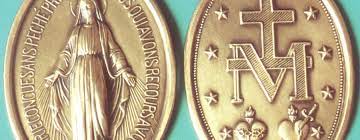
Eps 114: Mary was conceived without sin
In the 10-minute podcast titled "Mary was conceived without sin," it is explained that the belief that Mary, the mother of Jesus, was born without original sin is a doctrine within the Catholic Church. This doctrine, known as the Immaculate Conception, asserts that Mary was conceived free from the stain of original sin to prepare her to be the mother of Jesus, who is considered the savior. The narrator further explains that this belief is not explicitly mentioned in the Bible but is derived from interpretations of certain scriptures and early Christian writings. It is stated that the doctrine was officially declared by Pope Pius IX in 1854. The podcast emphasizes that the Immaculate Conception is a unique privilege granted to Mary and does not diminish the role and significance of Jesus as the ultimate redeemer.
| Seed data: | Link 1 |
|---|---|
| Host image: | StyleGAN neural net |
| Content creation: | GPT-3.5, |
Host

Terrance Vargas
Podcast Content
Introduction:
Welcome to our podcast titled "Mary: The Immaculate Conception." In this episode, we delve into the fascinating belief held by the Catholic Church that Mary, the mother of Jesus, was conceived without sin. We will explore the historical, theological, and cultural aspects surrounding this doctrine, and aim to shed light on the significance of Mary's unique position as the Immaculate Conception.
Paragraph 1: The Doctrine of the Immaculate Conception
The doctrine of the Immaculate Conception teaches that Mary was preserved from the stain of original sin from the very moment of her conception. It is essential to distinguish this doctrine from the Virgin Birth, which refers to the miraculous conception of Jesus in Mary's womb. The Immaculate Conception doctrine was formally defined by Pope Pius IX in 1854, although the belief itself predates this proclamation.
Paragraph 2: Historical and Scriptural Foundation
While the term "Immaculate Conception" does not explicitly appear in the Bible, proponents of this doctrine argue that it is deeply rooted in biblical principles. They often point to passages such as Luke 1:28, where the angel Gabriel greets Mary by saying, "Hail, full of grace," suggesting her unique holiness. Furthermore, many early Church fathers and theologians held views that supported the concept of Mary's sinlessness.
Paragraph 3: Development of the Dogma
The belief in Mary's Immaculate Conception was present in early Christian traditions, but it took centuries to crystallize into an official dogma. The theological and philosophical discussions surrounding Mary's sinlessness evolved over time, gaining widespread acceptance among theologians and believers. After years of contemplation and examination, Pope Pius IX declared the dogma of the Immaculate Conception in his apostolic constitution "Ineffabilis Deus."
Paragraph 4: Allegorical and Theological Interpretations
The concept of Mary's Immaculate Conception also holds symbolic importance on a theological level. Some theologians interpret Mary as a new Eve – a new beginning for humanity, free from the effects of original sin – emphasizing Jesus as the new Adam. This belief highlights Mary's pivotal role in God's plan of salvation and emphasizes her unique role as the Mother of our Savior.
Paragraph 5: Marian Devotion and Cultural Significance
The belief in Mary's Immaculate Conception has had a profound impact on Christian piety and devotion. Devotions to Mary, such as the recitation of the Rosary and pilgrimage sites dedicated to her, are prevalent throughout the Catholic world. The Immaculate Conception doctrine has served to deepen the sense of reverence and hope for believers, who seek her intercession and look to her as a model of holiness.
Paragraph 6: Ecumenical Perspectives
While the doctrine of the Immaculate Conception is primarily embraced by the Roman Catholic Church, it is worth noting that it does not enjoy universal acceptance among all Christian denominations. Other Christian traditions may interpret Mary's role differently, focusing more on her status as the "Theotokos" (God-bearer) or emphasizing her humility rather than her sinlessness. Ecumenical dialogue has allowed for a greater understanding and appreciation of these differences.
Conclusion:
In conclusion, the belief in Mary's Immaculate Conception plays a significant role in Catholic theology and devotion. This doctrine asserts that Mary was preserved from the stain of original sin, affirming her exceptional holiness. While the belief may not be universally accepted across Christian denominations, it remains a central tenet in Catholic faith, emphasizing Mary's unique status as the Mother of God and an example of faith and purity. By exploring this doctrine, we gain insight into the significance of Mary's immaculate nature in shaping Christian beliefs and practices throughout history.