Eps 2302: LA INTERCULTURALIDAD DEL PAIS, SUS REGIONES, CIUDADES Y PUEBLOS DEL ECUADOR
— The too lazy to register an account podcast
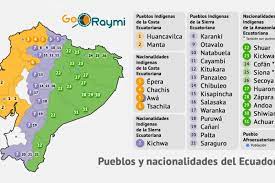
The text is a summary of a 10-minute podcast titled "LA INTERCULTURALIDAD DEL PAIS, SUS REGIONES, CIUDADES Y PUEBLOS DEL ECUADOR" (The Interculturality of the Country, its Regions, Cities, and Towns of Ecuador). The podcast explores the diverse cultural landscape of Ecuador, including its regions, cities, and towns. Ecuador is a country known for its cultural diversity, with various indigenous groups and ethnicities coexisting throughout the nation. The podcast emphasizes the concept of interculturality, which considers the interaction and exchange between these different cultures. The podcast discusses how Ecuador is divided into four regions: the Sierra (Andean highlands), the Costa (Pacific coast), the Oriente (Amazon rainforest), and the Galápagos Islands. Each region has unique cultural characteristics and traditions, influenced by its geography and history. The Sierra region is home to the indigenous communities of the Quechua and the Shuar people. Traditional customs, such as clothing, music, and cuisine, are an integral part of their identity. The Costa region has a strong Afro-Ecuadorian presence, with African traditions and dances deeply rooted in the culture. The Oriente region, with its dense rainforest, is inhabited by indigenous communities who maintain a close connection to nature. The podcast highlights their traditional knowledge of plants and their sustainable practices. The Galápagos Islands, famous for their unique ecosystem, are a UNESCO World Heritage site. The local population strives to preserve the islands' delicate balance and protect their natural heritage. The podcast also mentions some significant cities in Ecuador, including Quito, the capital, which is known for its historical center and colonial architecture. Guayaquil, the largest city, is a vibrant cultural hub, with a mix of traditional and contemporary elements. Other cities such as Cuenca, Otavalo, and Loja are highlighted for their distinctive cultural offerings. Lastly, the podcast acknowledges the importance of rural towns in preserving indigenous customs and traditions. These towns showcase traditional practices, such as art, handicrafts, and folklore, which contribute to the rich cultural tapestry of Ecuador. In conclusion, the podcast highlights Ecuador's intercultural richness by exploring its diverse regions, vibrant cities, and traditional towns. It emphasizes the importance of preserving and valuing cultural heritage while promoting integration and understanding among different ethnic groups.
| Seed data: | Link 1 |
|---|---|
| Host image: | StyleGAN neural net |
| Content creation: | GPT-3.5, |
Host

Corey Hopkins
Podcast Content
One of the most notable aspects of Ecuador's interculturality is the diversity of its regions. From the Andean highlands to the Amazon rainforest and the Pacific coast, each region has its own unique customs, traditions, and way of life. In the Andean region, for example, indigenous communities preserve ancient rituals and practices that have been passed down through generations. In the Amazon, indigenous tribes continue to live off the land, practicing sustainable agriculture and preserving their traditional knowledge of the rainforest.
Ecuador's cities are also vibrant hubs of cultural exchange and diversity. Quito, the capital city, is known for its colonial architecture and indigenous markets, while Guayaquil, the largest city, is a bustling metropolis with a mix of cultures and influences. In smaller towns and villages across the country, traditional customs and festivals are celebrated with music, dance, and food, bringing together people from different backgrounds in a spirit of unity and solidarity.
Despite its rich cultural heritage, Ecuador also faces challenges related to interculturality, such as discrimination, inequality, and social exclusion. Indigenous communities, in particular, have long been marginalized and denied access to resources and opportunities. However, there are efforts being made to promote intercultural dialogue and understanding, such as the recognition of indigenous languages and the celebration of cultural diversity through festivals and events.
Ultimately, Ecuador's interculturality is a source of strength and resilience, allowing different communities to come together and learn from each other's experiences. By embracing diversity and promoting inclusion, we can build a more just and equitable society for all Ecuadorians, where every region, city, and town is valued for its unique contributions to the country's cultural tapestry. Join us as we delve deeper into the interculturality of Ecuador and explore the richness of its regions, cities, and towns.