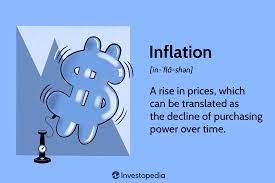
Eps 1: inflation in economy
The 10-minute podcast titled "Inflation in Economy" discusses the concept of inflation and its impact on the economy. The podcast starts by defining inflation as a sustained increase in the general price level of goods and services. It explains that inflation is measured through various indexes, such as the Consumer Price Index (CPI) and Producer Price Index (PPI), which monitor changes in the prices paid by consumers and producers, respectively. The host explains that inflation can have both positive and negative effects on the economy. On one hand, a moderate level of inflation, usually around 2-3%, can be beneficial as it stimulates economic growth and encourages investments and spending. It allows businesses to increase their prices, leading to higher revenues and expanded production. This, in turn, stimulates job creation and wages. On the other hand, excessive inflation, known as hyperinflation, is harmful to the economy. It erodes the value of money, causing a decrease in purchasing power and leading to reduced savings. High inflation may result from factors like excessive government spending, increased money supply, or supply shocks. Additionally, when inflationary expectations are formed, it can become a self-fulfilling prophecy, further exacerbating inflation rates. The podcast also touches on the impact of inflation on different groups within society. It explains that inflation affects fixed-income earners, such as retirees, negatively as their purchasing power declines. Moreover, individuals with loans or debts can benefit from inflation, as the debt becomes easier to repay with money that is worth less. However, the extent of these effects varies depending on the specific circumstances and the overall economic environment. The host concludes the podcast by emphasizing the importance of managing inflation effectively to maintain a stable and sustainable economy. Governments and central banks use monetary policies, such as adjusting interest rates or implementing quantitative easing, to control inflation. Striking a balance between promoting economic growth and keeping inflation in check is crucial to ensure a healthy and prosperous economy.
| Seed data: | Link 1 |
|---|---|
| Host image: | StyleGAN neural net |
| Content creation: | GPT-3.5, |
Host

Louis Miles
Podcast Content
Introduction:
Welcome to today's podcast episode, where we will dive into the topic of "Inflation in Economy." Inflation is an economic concept that affects everyone, from individuals to businesses and governments worldwide. Understanding the causes and effects of inflation, as well as how it can be managed, is crucial for making informed financial decisions. In this podcast, we will explore the definition and types of inflation, its impact on various sectors, and some strategies to mitigate its negative consequences.
Defining Inflation:
To begin, let's define inflation. Inflation is generally defined as a sustained increase in the overall level of prices of goods and services in an economy over a specific period, usually measured annually. It erodes the purchasing power of money, as more units of currency are needed to buy the same amount of goods or services. While inflation is often presented as a negative phenomenon, some level of inflation is considered healthy for an economy because it signifies growth and demand for goods and services.
Types of Inflation:
Inflation can be categorized into various types, such as demand-pull inflation, cost-push inflation, and built-in inflation. Demand-pull inflation occurs when there is an increase in aggregate demand, resulting in excess demand for goods and services, which pushes prices upwards. Cost-push inflation, on the other hand, occurs when the production costs of goods and services increase, leading to higher prices. Built-in inflation refers to inflationary expectations, where people anticipate future price increases and negotiate higher wages or prices accordingly.
Impact on Different Sectors:
Inflation impacts different sectors of the economy, including consumers, businesses, and governments. For consumers, inflation reduces the purchasing power of income, making it more expensive to buy essential goods and services. As prices rise, saving money becomes more challenging, diminishing people's ability to invest and plan for the future. Businesses also face challenges during inflation, as their costs of production rise, reducing profit margins. Consequently, businesses may be forced to increase prices or reduce wages, impacting both consumers and employees. Governments have their own set of concerns, such as managing inflation through monetary policies and maintaining economic stability.
Managing Inflation:
To manage inflation, governments often rely on monetary policies implemented by central banks and fiscal policies. Monetary policies include measures like adjusting interest rates, increasing reserve requirements for banks, or engaging in open market operations. By influencing the supply and cost of money, central banks attempt to control inflation. On the other hand, fiscal policies involve managing government spending and taxation to influence the demand and supply of goods and services. Striking a delicate balance between growth and price stability is crucial for effective inflation management.
Conclusion:
Inflation is a significant economic phenomenon that affects individuals, businesses, and governments alike. Understanding its causes and effects is essential for making informed financial decisions. The different types of inflation, including demand-pull, cost-push, and built-in inflation, possess unique sets of consequences. Furthermore, inflation impacts various sectors of the economy, including consumers, businesses, and governments, prompting policymakers to undertake specific measures to manage inflation. By studying and monitoring inflation trends, individuals and organizations can better anticipate its impact and prepare accordingly.