Eps 57: Independence Day Through the Ages: Key Moments in History
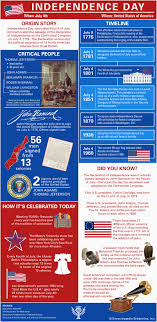
The podcast discusses pivotal moments in the history of Independence Day celebrations across various countries. It starts by detailing the American Revolution, highlighting the adoption of the Declaration of Independence on July 4, 1776, and how this date became synonymous with American freedom and patriotism. The narration then shifts to other significant global events, such as India’s independence from British rule on August 15, 1947, outlining the struggles and the eventual triumph led by figures like Mahatma Gandhi. The podcast also touches on the independence movements in African nations, focusing on Ghana as the first sub-Saharan country to gain independence on March 6, 1957, under the leadership of Kwame Nkrumah. It illustrates how this moment inspired other African nations. Further, it mentions the importance of cultural and national identity during these periods and how celebrations serve to reinforce these ideals. The discussion concludes by emphasizing that Independence Day is not just a celebration of past victories but also a reminder of ongoing struggles for freedom and equality worldwide.
| Seed data: | Link 1 |
|---|---|
| Host image: | StyleGAN neural net |
| Content creation: | GPT-3.5, |
Host

Camila Arnold
Podcast Content
Closer scrutiny reveals a tapestry of historical moments where century-old desires for self-determination came to fruition. South Africa's Freedom Day on April 27, 1994, marks the first post-apartheid elections, signaling an end to decades of racial segregation under apartheid. Vietnam's National Day on September 2, 1945, highlights the moment Ho Chi Minh declared independence from French colonial rule, laying the foundation for the current Socialist Republic of Vietnam. In Africa, Ghana led the wave of independence movements when it achieved sovereign status on March 6, 1957, igniting a cascade of decolonization efforts across the continent for many African nations.
In Latin America, Mexico's Grito de Dolores on September 16 is celebrated as the spark of the Mexican War of Independence against Spanish rule in 1810, while Brazil commemorates its Independence Day on September 7, recalling the declaration by Dom Pedro I that liberated Brazil from Portuguese control in 1822. These moments are not just dates; they are stories of struggle, sacrifice, and an unyielding desire to shape one’s national identity. Whether through peaceful negotiation, revolutionary struggle, or symbolic gestures, each nation's journey towards independence is a unique chapter in the broader human quest for freedom, showcasing varying ways in which people reclaim their land, culture, and right to self-governance.