Inbreeding of the Habsburgs

Tags:

Royal Lineage Genetic History Habsburg Dynasty Family Inbreeding European Royalty Historical Genetics

Eps 84: Inbreeding of the Habsburgs

History

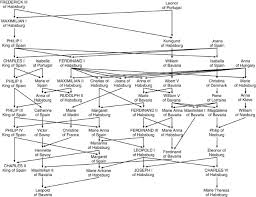
The Habsburg family, one of Europe's most powerful royal dynasties, was known for their extensive inbreeding to retain their political power and landholdings. This practice led to a significant accumulation of genetic disorders within the lineage. The most infamous feature, the "Habsburg jaw," characterized by an elongated face and pronounced underbite, became a prominent example of the consequences of such close familial marriages. The genetic pool's limited diversity also resulted in other health issues, including mental illness and reduced fertility, ultimately weakening the family's influence. The podcast highlights how these practices not only affected the Habsburgs genetically but also had broader historical implications for European nobility.

Seed data: Link 1
Host image: StyleGAN neural net
Content creation: GPT-3.5,

Host

Alex Lynch

Alex Lynch

Podcast Content
The Habsburg dynasty, one of the most powerful European royal households, is famously noted for their extensive practice of inbreeding, which profoundly influenced the course of European history. Spanning several centuries, this family married within their own bloodline to consolidate power and preserve their wealth and territory, often wedding first cousins and uncles to nieces. This practice, however, came at a significant cost. The most notorious example is Charles II of Spain, whose lineage was so inbred that he was physically and mentally impaired, suffering from numerous health problems that left him debilitated throughout his life and ultimately led to his early death. Genetic mutations such as the distinctive Habsburg jaw, a pronounced underbite, became more pronounced with each generation, alongside a host of other genetic disorders. These physical manifestations of inbreeding were more than a biological anomaly; they underscored an increasingly fragile political structure. The weakened health and limited fertility of the Habsburgs eroded the family's dominance, leading to wars of succession and political instability that reshaped the European geopolitical landscape. Indeed, the inbreeding of the Habsburgs serves as a compelling historical example of how the pursuit of political consolidation can lead to unexpected and often detrimental consequences, highlighting the intricate interplay between genetics and politics in shaping the arc of history. This chapter in the Habsburg saga is a potent reminder of the limits of human manipulation over nature and the enduring impact of genetic inheritance on the destinies of individuals and nations alike.