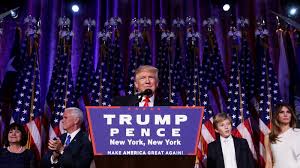
Eps 301: How Donald Trump won the presidency
— The too lazy to register an account podcast
| Host image: | StyleGAN neural net |
|---|---|
| Content creation: | GPT-3.5, |
Host

Ray Hall
Podcast Content
One key factor in Trump's victory was his ability to tap into the frustration and anger of many American voters. Throughout his campaign, Trump portrayed himself as a political outsider who would shake up the status quo in Washington and bring about real change. His populist message resonated with many voters who felt left behind by the political establishment.
Another crucial element in Trump's win was his skillful use of social media and the internet. Trump was able to bypass traditional media outlets and communicate directly with voters through platforms like Twitter and Facebook. This allowed him to control the narrative of his campaign and reach a broader audience than his competitors.
Additionally, Trump's campaign strategy focused heavily on key battleground states like Wisconsin, Michigan, and Pennsylvania. While many political analysts assumed these states would go to Clinton, Trump's team worked tirelessly to connect with voters in these areas and ultimately flipped them in his favor.
Furthermore, Trump's ability to appeal to working-class voters and his tough stance on issues like trade and immigration also played a significant role in his victory. Many Americans felt that Trump understood their concerns and would fight to protect their interests in Washington.
Lastly, it is important to note that Clinton herself faced challenges during the campaign, including controversies surrounding her use of a private email server and questions about her trustworthiness. These issues hurt her credibility with voters and may have ultimately swayed some undecided voters in Trump's direction.
In conclusion, Donald Trump won the presidency in 2016 due to a combination of factors, including his ability to connect with frustrated voters, effectively use social media, target key battleground states, and appeal to working-class Americans. While his victory was unexpected to many, it serves as a reminder of the power of a strong campaign strategy and the importance of understanding and responding to the concerns of the American electorate.