Eps 1: How does the decline in species affect planet Earth?
— How does the decline in species affect planet Earth?
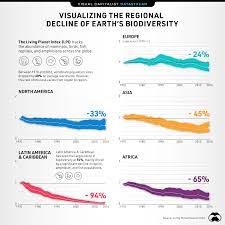
This text explores the topic of how the decline in species affects planet Earth. It highlights the various dimensions of this issue, including the causes of biodiversity loss, the impact on ecosystem services, food production and security, the chain of extinctions, and implications for human health. The text emphasizes the urgent need for global action in conservation and sustainable practices to preserve Earth's biodiversity and ensure a thriving planet for future generations.
| Seed data: | Link 1 |
|---|---|
| Host image: | StyleGAN neural net |
| Content creation: | GPT-3.5, |
Host

Lisa Reed
Podcast Content
Introduction:
Welcome to today's podcast, where we will explore the critical topic of how the decline in species affects our planet, Earth. As biodiversity continues to decline at an alarming rate, the consequences extend far beyond mere wildlife conservation. Join us as we delve into the various dimensions of this issue, identifying the causes, understanding the extent of its impact, and unveiling why it is crucial for us to take action.
Paragraph 1: Understanding Biodiversity Loss
Biodiversity refers to the variety of life forms present on Earth, from microorganisms to complex ecosystems. Unfortunately, this web of life is significantly threatened today, primarily due to human activities such as habitat destruction, pollution, climate change, and the illegal wildlife trade. The loss of species occurs across various taxa, encompassing plants, animals, and marine life. By examining the intricate connections between species, we become aware of the profound effects their decline can have on Earth's delicate balance.
Paragraph 2: Ecosystem Services at Risk
The decline in species disrupts ecosystem functioning, leading to a cascade of consequences. Ecosystems provide humanity with vital services such as clean air and water, soil fertility, pollination, climate regulation, and pest control. Many of these services are carried out by different species within the ecosystem. When species disappear or become severely reduced in number, these essential processes are compromised. Ultimately, the decline in species directly impacts our quality of life and the resilience of communities worldwide.
Paragraph 3: Impact on Food Production and Security
The decline in species also poses a significant threat to global food production and security. Many plants and animals are essential components of our food systems, either directly as food sources or indirectly through their ecological roles. Decreases in pollinators like bees, for instance, can jeopardize the production of agricultural crops, affecting the availability and diversity of food. Furthermore, the loss of wild relatives of cultivated plants limits genetic diversity, making food systems more susceptible to pests, diseases, and climate change.
Paragraph 4: The Chain of Extinctions
Biodiversity loss is not limited to the extinction of individual species; rather, it can trigger a chain reaction of extinctions throughout the ecosystem. Species are interconnected in a complex web of interactions, and the loss of one species can have far-reaching effects on others. This phenomenon is known as the domino effect, whereby the disappearance of a keystone species can cause the collapse of entire ecosystems. The shrinking numbers of predators, for example, can lead to an explosion in prey populations, which in turn affects the abundance of other species relying on those prey.
Paragraph 5: Implications for Human Health
The decline in species also has profound ramifications for human health. Many plants and animals provide essential components for medications, contributing to advancements in modern medicine. As species disappear, potential sources for vital drug compounds may go undiscovered, impeding our ability to treat diseases or find cures. Furthermore, increased habitat destruction and human-wildlife interactions can heighten the risk of zoonotic diseases, as demonstrated by the current COVID-19 pandemic.
Paragraph 6: The Call for Action
To counter the decline in species and preserve Earth's biodiversity, concerted action on a global scale is imperative. This requires addressing the root causes and implementing effective conservation measures. Protecting and restoring habitats, promoting sustainable land and resource management, combatting climate change, combating illegal wildlife trade, and empowering local communities are crucial steps towards safeguarding biodiversity.
Conclusion:
In this podcast, we have examined the severe consequences of species decline on our planet, Earth. From ecosystem services to food production, human health to the intricate web of interconnected species, it is evident that the decline in species poses significant threats to our existence. Understanding the impact of this decline emphasizes the urgent need for conservation and sustainable practices. Each one of us has a role to play in ensuring a resilient and thriving planet for future generations. Let us take action and strive for a more sustainable coexistence with the magnificent diversity of species that call Earth home.