Host

Carter Sutton
Podcast Content
Welcome to another episode of the Real Estate Wealth podcast, where we discuss different strategies and techniques for building wealth through real estate investing. In today's episode, we're going to dive into the exciting world of house hacking.
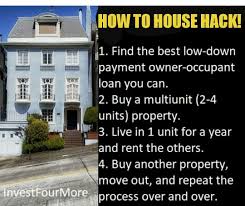
So, what exactly is house hacking? Simply put, house hacking is a strategy where you live in a property while renting out a portion of it to generate passive income. This can be accomplished in a variety of ways, including renting out individual rooms in a house, converting a garage or basement into a rental unit, or even buying a multi-unit property and living in one unit while renting out the others.
One of the biggest benefits of house hacking is that it allows you to significantly reduce or even eliminate your housing expenses. By renting out a portion of your property, you can offset your mortgage, property taxes, insurance, and other expenses, effectively allowing you to live for free or at a greatly reduced cost.
Additionally, house hacking can be a great way to start building wealth through real estate investing with little to no money down. Since you'll be living in the property, you can take advantage of low down payment programs such as FHA loans, VA loans, or conventional loans with as little as 3-5% down. This can make it much easier to get started in real estate investing compared to traditional investment properties that require a larger down payment.
Another key benefit of house hacking is the ability to build equity and wealth through appreciation. As you pay down your mortgage and the property appreciates in value, you'll be building equity in the property that can be leveraged for future investments or used to fund your financial goals.
House hacking can also provide valuable tax benefits, as rental income can be offset by deductions for expenses such as mortgage interest, property taxes, insurance, maintenance, and repairs. Additionally, if you sell the property for a profit after living in it for at least two of the past five years, you may be able to exclude up to $250,000 (or $500,000 if married filing jointly) of the capital gains from taxation.
In order to successfully house hack, it's important to carefully consider factors such as location, property type, rental market demand, and potential cash flow. You'll also need to have a solid understanding of landlord-tenant laws and property management best practices to ensure a smooth rental experience.
Overall, house hacking can be a powerful wealth-building strategy for real estate investors looking to get started or expand their portfolios. By leveraging the benefits of living in and renting out a property simultaneously, you can generate passive income, reduce housing expenses, build equity and wealth through appreciation, and enjoy valuable tax benefits.
That's all for today's episode of the Real Estate Wealth podcast. Thank you for tuning in, and be sure to subscribe for more tips and strategies on building wealth through real estate investing. Happy house hacking!