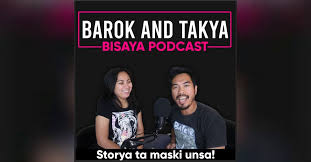
Eps 1: Holidays in the Philippines Podcast
The podcast discusses the various holidays celebrated in the Philippines and their significance to the Filipino people. It covers important national holidays such as Independence Day and the Feast of the Black Nazarene, as well as traditional cultural festivals like Sinulog and Ati-Atihan. The podcast also touches on how these holidays are celebrated with colorful parades, religious processions, and traditional dances. Overall, the podcast highlights the rich cultural heritage and vibrant celebrations that make holidays in the Philippines so special.
| Seed data: | Link 1 |
|---|---|
| Host image: | StyleGAN neural net |
| Content creation: | GPT-3.5, |
Host

Katie Morris
Podcast Content
One of the most important holidays in the Philippines is Christmas. Filipinos start celebrating this holiday as early as September, making it one of the longest Christmas seasons in the world. The highlight of the celebrations is the Midnight Mass on Christmas Eve, known as "Simbang Gabi." Families come together to attend Mass and then enjoy a feast of traditional Filipino dishes such as lechon (roasted pig) and kare-kare (stew with peanut sauce). Homes are decorated with colorful lights and lanterns called parols, symbolizing the Star of Bethlehem.
Another major holiday in the Philippines is Holy Week, which commemorates the passion, death, and resurrection of Jesus Christ. The week leading up to Easter Sunday is a time of solemn reflection and religious observances. Many Filipinos participate in the traditional "Visita Iglesia," where they visit seven churches to pray and meditate on the Stations of the Cross. On Good Friday, some devout Catholics even go as far as to reenact the crucifixion of Jesus by nailing themselves to a cross in a display of devotion.
Aside from religious holidays, the Philippines is also home to a plethora of colorful festivals that showcase the country's rich cultural heritage. One of the most famous festivals is the Ati-Atihan in Aklan, where participants paint their bodies black and wear elaborate costumes in honor of the Sto. Niño (Child Jesus). The Sinulog Festival in Cebu is another popular event that features street dancing and grand parades in honor of the miraculous image of the Child Jesus.
For those looking to experience a unique holiday tradition, the Philippines offers the opportunity to join the Moriones Festival in Marinduque during Holy Week. Participants wear masks and colorful costumes representing Roman soldiers in search of St. Longinus, the Roman soldier who pierced the side of Jesus during the crucifixion. The festival culminates in a reenactment of Longinus' conversion to Christianity.
No discussion of holidays in the Philippines would be complete without mentioning the New Year celebrations. Filipinos believe that how one spends New Year's Eve will set the tone for the rest of the year, so they go all out to ensure a prosperous and joyous year ahead. The streets are filled with fireworks, loud music, and families gathering for a midnight feast. The tradition of jumping at the stroke of midnight to increase one's height is also observed, symbolizing growth and good fortune.
In conclusion, the holidays in the Philippines are a vibrant tapestry of traditions, blending religious observances with colorful festivals that celebrate the country's diverse cultural heritage. Whether it's the solemnity of Holy Week or the joyous spirit of Christmas, there is something for everyone to experience and enjoy in this tropical paradise. Join us again for our next episode as we continue to explore the many facets of Filipino culture and tradition. Thank you for listening to our podcast on "Holidays in the Philippines."