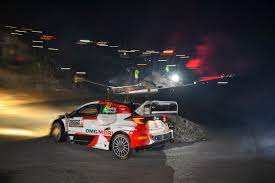
Eps 3: History of Rally for noobies
The podcast titled "History of Rally for noobies" provides a summary of the history and development of rally racing. The host begins by explaining that rally racing is a motorsport that involves racing modified production cars on closed, public or private roads. The sport has its roots in the early 20th century, where cars would race from one point to another, often covering long distances on challenging terrains. The host goes on to explain that rally racing gained popularity in the 1950s and 1960s, with events like the Monte Carlo Rally and the Safari Rally becoming renowned. These races tested the endurance and skill of both drivers and co-drivers, as they faced various challenges such as changing weather conditions, unpredictable terrains, and limited visibility. The podcast highlights significant moments in rally racing, such as the introduction of manufacturer-backed teams in the 1970s, which brought advancements in technology and fierce competition among car manufacturers. The rivalry between manufacturers like Ford, Lancia, and Audi during this period further popularized the sport. In the 1980s, the popularity of rally racing skyrocketed with the emergence of the Group B era. This era saw incredibly powerful and lightweight cars that pushed the boundaries of performance and safety. However, due to numerous accidents and safety concerns, Group B was eventually banned in 1986. The host also discusses the evolution of rally racing in the 1990s and 2000s, with the introduction of the World Rally Championship (WRC). This championship brought together the best drivers, co-drivers, and manufacturers from around the world, showcasing their skills and driving abilities on a global stage. Furthermore, the podcast briefly mentions the rise of iconic rally drivers such as Colin McRae, Sébastien Loeb, and Sébastien Ogier, who have left a significant impact on the sport through their exceptional performances and multiple championship victories. In conclusion, the "History of Rally for noobies" podcast provides a brief rundown of the history of rally racing, from its early beginnings to the modern era of the World Rally Championship. It highlights the challenges faced by drivers, the evolution of technology, and the impact of iconic figures in the sport.
| Seed data: | Link 1 |
|---|---|
| Host image: | StyleGAN neural net |
| Content creation: | GPT-3.5, |
Host

Jonathan Ruiz
Podcast Content
Rally racing has a long and storied history, dating back to the early 20th century when it first gained popularity in Europe. The first official rally race is said to have taken place in 1907, with the Monte Carlo Rally being one of the most iconic and prestigious events in the sport.
One of the defining features of rally racing is its unique format, which differs from traditional circuit racing. Instead of racing around a closed circuit track, rally drivers navigate through a series of checkpoints on public roads, often facing a variety of challenging terrains and weather conditions.
Over the years, rally racing has evolved and grown in popularity, with the World Rally Championship (WRC) being the pinnacle of the sport. Established in 1973, the WRC attracts top drivers and teams from around the world, competing in iconic events such as the Rally Finland, Rally Sweden, and the legendary Rallye Monte Carlo.
Rally racing is not only about speed and skill behind the wheel, but also about teamwork and strategy. Rally teams consist of a driver and a co-driver, who work together to navigate the course and make split-second decisions to overcome obstacles and challenges.
One of the most famous rallies in the world is the Dakar Rally, an off-road endurance event that takes place in various countries in South America. The Dakar Rally is known for its grueling conditions and unpredictable terrain, testing the skill and endurance of drivers and their vehicles.
In recent years, rally racing has gained even more popularity thanks to advancements in technology and media coverage. Fans can now follow their favorite drivers and teams through live streams, social media updates, and video highlights, making rally racing more accessible than ever before.
As we look to the future of rally racing, it's clear that the sport will continue to evolve and push the boundaries of what is possible. With new technologies such as electric and hybrid vehicles entering the scene, rally racing is poised for an exciting new era of innovation and excitement.
Whether you're a seasoned rally fan or a newcomer to the sport, we hope this podcast has provided you with a deeper appreciation and understanding of the history and excitement of rally racing. Thank you for joining us on this journey through the fascinating world of rally for noobies.