Eps 15: History Of Playboy
— History
Hugh Hefner founded Playboy in 1953, revolutionizing the adult entertainment industry by combining high-quality journalism with erotic content. The first issue featured Marilyn Monroe's nude calendar, quickly selling out. Hefner's innovative approach included hiring talented writers and interviewers, making Playboy a significant cultural force. The magazine's iconic centerfolds and Playboy Mansion contributed to its allure. Despite criticism and controversy over its objectification of women, Playboy maintained influence, embracing social and political issues. Over decades, the brand evolved with changing norms, reflecting society's shifting attitudes towards sexuality.
| Seed data: | Link 1 |
|---|---|
| Host image: | StyleGAN neural net |
| Content creation: | GPT-3.5, |
Host

Gail Sullivan
Podcast Content
Hefner's vision extended far beyond mere pinups; he sought to merge high and low culture. Playboy's articles, interviews, and short stories featured some of the 20th century's most acclaimed writers and thinkers, from Vladimir Nabokov to Alex Haley. The "Playboy Interview," an in-depth conversation format, hosted luminaries like Martin Luther King Jr. and Malcolm X, contributing to the magazine’s reputation as more than just a men's publication. It was a cultural barometer, reflecting and influencing societal attitudes on sex, politics, and lifestyles.
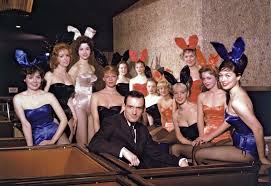
Beyond the magazine, Playboy expanded into clubs, television, and more, branding itself as a lifestyle choice. The Playboy Clubs, with their tuxedoed Bunnies, became icons of the sexual revolution, offering a public space where sophistication and sensuality coexisted. Meanwhile, controversies regarding objectification and exploitation were persistent but were often countered by Hefner’s commitment to civil rights and freedom of expression.
The 1970s marked Playboy’s zenith with its circulation peaking at over 7 million. Yet, as the years progressed, new competitors and the rise of digital media chipped away at its dominance. The 21st century required innovation, leading to decisions like the brief cessation and subsequent return of nude pictorials. Despite its fluctuating fortunes, Playboy continued to embody a unique blend of hedonism and intellect, persisting in various forms including digital media, licensing, and branded merchandise.
Hugh Hefner, an avatar of the brand himself—often in silk pajamas and a captain’s hat—passed away in 2017, leaving behind a complex legacy. Playboy had not only shaped perceptions of sex and sophistication but also navigated through waves of feminist critique and cultural shifts. It remains an emblem of a particular kind of American dream, tirelessly balancing on the tightrope between empowerment and exploitation, innovation and nostalgia.