Eps 3: History of gen generations
— History
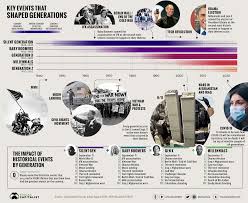
The podcast explores the concept of generational cohorts, starting with the Silent Generation, which includes those born from the mid-1920s to the early 1940s, characterized by their resilience and conformity during post-war America. Following them, the Baby Boomers, born between 1946 and 1964, experienced economic prosperity and cultural shifts, contributing significantly to social movements. Generation X, born from 1965 to 1980, faced economic instability and technological changes, fostering a sense of independence and skepticism. Millennials, born from 1981 to 1996, grew up with the internet and social media, leading to a hyper-connected and socially conscious outlook. Lastly, Generation Z, born from 1997 onwards, is marked by digital nativity, diversity, and a strong emphasis on social justice and climate action. The podcast highlights the key societal influences and traits of each generation and how these factors shape their attitudes and behaviors.
| Seed data: | Link 1 |
|---|---|
| Host image: | StyleGAN neural net |
| Content creation: | GPT-3.5, |
Host

Allan Gregory
Podcast Content
Following them, Generation X, born between 1965 and 1980, grew up during a time of economic uncertainty and shifting cultural norms. This generation saw the rise of personal computing, the fall of the Berlin Wall, and the advent of MTV, fostering a culture of independence and skepticism. Known as the “latchkey” generation, many Gen Xers experienced increased levels of divorce among their parents, leading them to value self-reliance and resilience.
Next came the Millennials, or Generation Y, born from 1981 to 1996. This cohort experienced the digital revolution, growing up with the internet, mobile phones, and social media. They came of age during the Great Recession, which profoundly influenced their economic outlook and lifestyle choices. Millennials are often characterized by their tech-savvy nature, value-driven work ethic, and a strong inclination towards social justice and environmental sustainability.
Generation Z, born from 1997 onward, has been dubbed the first true digital natives. This generation has never known a world without the internet, smartphones, and social media. They are highly connected, with global perspectives shaped by instantaneous access to information. Gen Z is also marked by a pragmatic approach to life, influenced by growing up in the shadow of global challenges like climate change, political polarization, and a rapidly changing job market. They tend to champion causes such as mental health awareness and digital privacy.
What's evident across these generations is how external events and technological advancements shape collective experiences and societal outlooks. The continuity and change between each generation illustrate a complex tapestry of human development and cultural progression. Understanding these generational distinctions not only helps in appreciating our history but also in navigating the present and future more effectively.