Eps 14: History of dieting
— History
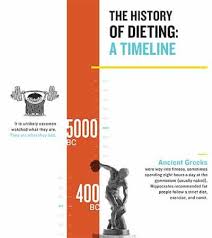
The podcast "History of Dieting" explores the evolution of dieting practices and societal attitudes. It covers the early references to dieting in ancient civilizations, such as Greece and Rome, where moderation in eating was advocated for health and philosophical reasons. During the Middle Ages, fasting for religious purposes was a common form of dietary control. The narrative moves to the 19th century when dieting became more commercialized with the influence of figures like William Banting, who popularized low-carb diets. The 20th century saw the rise of various diet trends and fads, including the grapefruit diet, the Atkins diet, and the emergence of dieting for weight loss and body image more than health. The podcast also touches on the impact of media and celebrity culture in promoting certain body ideals and diet trends, leading to a multi-billion-dollar diet industry. The discussion highlights how dieting shifted from a focus on health and spirituality to weight loss and aesthetics, reflecting broader changes in social values and scientific understanding of nutrition.
| Seed data: | Link 1 |
|---|---|
| Host image: | StyleGAN neural net |
| Content creation: | GPT-3.5, |
Host

Jane Nelson
Podcast Content
The early 20th century brought more scientific approaches to dieting, largely influenced by Wilbur Atwater and his research on caloric values. This period also unfortunately saw some truly dangerous methods, including the use of weight-loss pills containing ingredients like arsenic and strychnine. The 1950s and 60s marked the rise of structured diet programs, such as Weight Watchers, founded by Jean Nidetch, which introduced the idea of community support in weight loss efforts.
The late 20th and early 21st centuries have been dominated by a plethora of diet fads and scientific debates. The Atkins Diet, which revived Banting's low-carb principles, and the South Beach Diet, which focused on the glycemic index, are just a few examples. The Mediterranean Diet, emphasizing whole grains, fruits, vegetables, and healthy fats, has received significant scientific endorsement for its potential health benefits. More recent trends include the Paleo Diet and Keto Diet, both of which advocate for high-fat, low-carb intake but differ in their mechanics and food recommendations.
Today, there is growing recognition of the importance of personalized nutrition, where genetic, metabolic, and lifestyle factors are considered to tailor diet plans to individual needs. The history of dieting reflects broader cultural and scientific shifts and underscores the human desire to optimize health and longevity. Whether viewed as a series of evolving scientific paradigms or as snapshots of cultural history, dieting offers deep insights into how we understand our bodies and health.