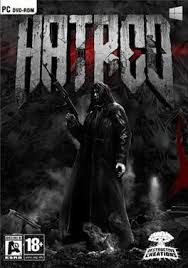
Eps 42: Hatred the most violent video game in history review
— React
The podcast reviews "Hatred," a game notorious for its extreme violence and graphic content. The reviewer discusses the game's premise, which centers around a protagonist driven by a desire to kill as many people as possible. The gameplay mechanics are analyzed, highlighting the top-down shooter style and the realistic, brutal graphics that contribute to its controversial standing. The podcast touches on the public and media reaction, noting that it has been widely condemned for its violent nature, sparking debates on the impact of such content on players and society. The criticism also extends to the game's lack of substantial story or character development, making it seem like violence is its only focus. Despite the polarizing opinions, the podcast concludes that "Hatred" serves as a conversation starter about the boundaries of violence in video games and the responsibilities of creators in the gaming industry.
| Seed data: | Link 1 |
|---|---|
| Host image: | StyleGAN neural net |
| Content creation: | GPT-3.5, |
Host

Carter Sutton
Podcast Content
One can’t talk about "Hatred" without addressing the intense reaction from both media and gaming communities. Critics have decried it for glorifying violence and presenting a nihilistic worldview, an accusation bolstered by the game’s lack of any moral or narrative complexity. Unlike other violent video games that often include some form of social or narrative commentary, "Hatred" appears to revel in its own cruelty, presenting an unfiltered lens into the darkest aspects of human nature.
The gameplay itself, while mechanically sound, often feels intentionally uncomfortable. The player's actions are depicted with a grim sort of glee; the screams of terror from NPCs and the protagonist's own disturbing monologues drive home the game's intent to unsettle. The lack of redemption or deeper message makes it clear that the developers designed "Hatred" to be an embodiment of unfiltered rage and violence.
Interestingly, the controversy surrounding "Hatred" may have overshadowed its actual game mechanics, which are reminiscent of classic shooters but with a modern polish. Critics argue that this focus on extreme violence detracts from appreciating any technical merits the game might have. Despite its streamlined controls and the adrenaline-pumping chaos of combat, any potential enjoyment is often clouded by the overwhelming sense of moral repugnance.
In the end, "Hatred" serves as a stark reminder of the potent intersection between art, media, and societal boundaries. It challenges the limits of what is considered acceptable in video game content, thrusting players into a world devoid of hope or morality. For some, it represents an audacious artistic statement; for others, it’s a disturbing glimpse into the glorification of violence. Whether you see it as a bold subversion of gaming norms or an exercise in excess, there's no denying that "Hatred" has left a lasting impact on the landscape of interactive media.